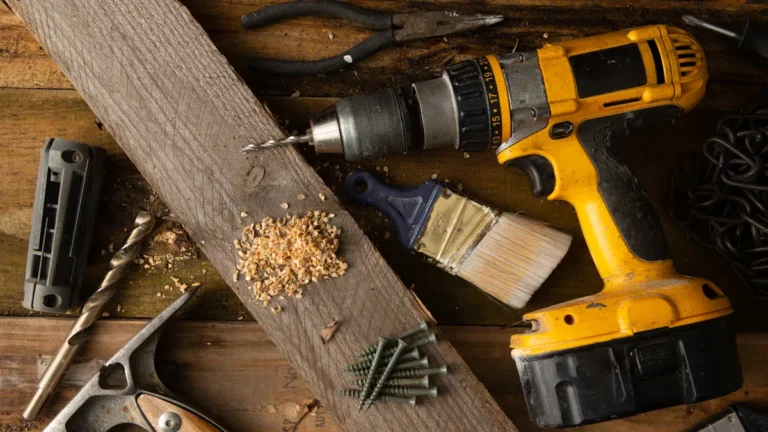
Using hand tools can be rewarding, but it also comes with risks. You might not realize it, but improper use can lead to serious injuries. In fact, statistics show that many injuries happen in non-occupational settings, often involving fingers and hands. To keep yourself safe, it’s crucial to be informed about potential injuries and how to prevent them. Start adopting safety tips today, and you’ll build good habits that last a lifetime. Remember, safety with hand tools isn’t just a guideline; it’s a necessity.
Key Takeaways
Always wear personal protective equipment (PPE) like safety goggles, gloves, and ear protection to prevent injuries.
Inspect your tools before each use to catch any damage that could lead to accidents.
Keep your workspace organized and well-lit to minimize distractions and enhance safety.
Use the right tool for the job to avoid misuse and potential injuries.
Regularly maintain and clean your tools to ensure they remain safe and effective.
Personal Protective Equipment

When you work with hand tools, wearing the right personal protective equipment (PPE) is essential. PPE helps prevent injuries and keeps you safe while you tackle your projects. Here are some key pieces of PPE you should consider:
Wear Safety Goggles
Safety goggles protect your eyes from flying debris and dust. Always choose ANSI-rated safety goggles that provide full coverage. This simple step can save your vision from potential hazards.
Use Ear Protection
If you’re using tools that create loud noises, ear protection is a must. Prolonged exposure to loud sounds can lead to hearing loss. Invest in earplugs or earmuffs to keep your hearing safe while you work.
Wear Gloves
Gloves are crucial for protecting your hands. Depending on the task, you might need different types of gloves:
General gloves for handling materials.
Cut-resistant gloves for sharp tools.
Heavy-duty leather gloves for welding tasks.
Choosing the appropriate gloves can significantly reduce the risk of cuts and abrasions.
Dress Appropriately
Your clothing matters too! Wear long sleeves and pants to protect your skin from cuts and scrapes. Avoid loose clothing that can get caught in tools. Sturdy shoes with non-slip soles will help keep you stable while you work.
Remember, PPE is your last line of defense against injuries. While it can help prevent accidents, it’s not the most effective method on its own. Always prioritize safe practices and proper tool usage.
Here’s a quick overview of recommended PPE for hand tool use:
Type of PPE | Description |
|---|---|
Eye Protection | Use ANSI-rated safety goggles with full coverage to protect against flying debris. |
Hand Protection | Use well-fitting gloves based on the task: general gloves for handling, cut-resistant gloves for sharp tools, and heavy-duty leather gloves for welding. |
By using the right PPE, you can significantly reduce the risk of injuries while working with hand tools.
Hand Tool Safety Maintenance

Maintaining your tools is crucial for ensuring hand tool safety. When you take care of your tools, you reduce the risk of accidents and injuries. Here are some essential maintenance practices to keep your tools in top shape:
Inspect Tools Before Use
Before you start any project, always inspect your tools. This step helps you catch any issues that could lead to accidents. Here’s what to look for:
Inspection Criteria | Importance |
|---|---|
Splintered or chipped handles | Indicates potential for catastrophic failure; ensure handle is secure. |
Dulled or rusted blades | Slows work; sharpen blades and keep tools dry to prevent rust. |
Excess dirt and grime | Can cause grip to slip; keep tools clean for safety. |
Wear on the grip | A slick grip is unsafe; retire tools when grip is too worn. |
Tagging damaged tools | Use red duct tape to prevent accidental use; remove from workspace. |
Keep Tools Clean
Cleaning your tools after each use is vital. Dirt and grime can accumulate, leading to slips and accidents. Regularly lubricate tools like pliers and wrenches to ensure smooth operation. Remember, a clean tool is a safe tool!
Store Tools Properly
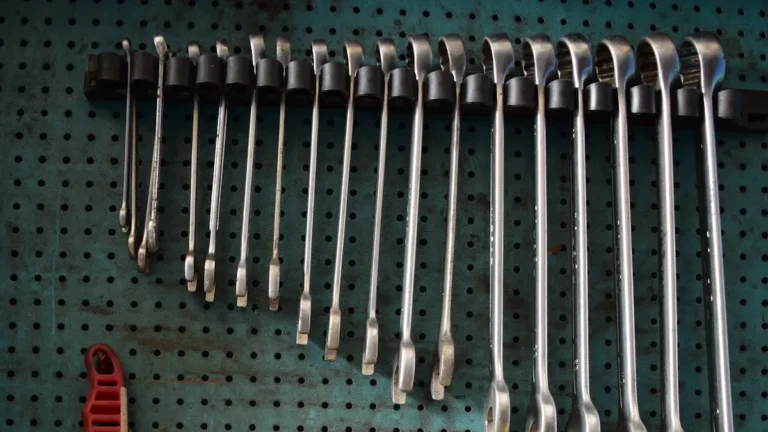
Proper storage is just as important as cleaning. Store your tools in a dry place to prevent rust. Use toolboxes or pegboards to keep them organized and protected. This practice not only extends the life of your tools but also keeps your workspace tidy.
Replace Worn or Damaged Tools
Using damaged tools can lead to serious injuries. If you notice any wear or damage, replace the tool immediately. This simple step can save you from costly repairs and potential accidents. Always prioritize safety over convenience!
By following these maintenance tips, you can ensure that your tools remain reliable and safe to use. Remember, a little care goes a long way in preventing accidents and enhancing your overall hand tool safety.
Proper Usage Safety Tips
Using hand tools safely requires more than just wearing protective gear. You need to handle them correctly to avoid accidents. Here are some essential tips to keep in mind:
Use the Right Tool for the Job
Always choose the right tool for the right job. Using a tool for its intended purpose helps prevent accidents. For example, don’t use a screwdriver as a chisel. This misuse can lead to injuries. Here’s a quick checklist to help you remember:
Inspect tools before use to ensure they are in good condition.
Match the screwdriver to the screwhead in size and type.
Select the appropriate hammer size and weight for your task.
Maintain a Firm Grip
A firm grip is crucial when using hand tools. It helps you maintain control and prevents slips. Here are some tips to ensure you have a solid hold:
Stand with your feet planted for stability.
Avoid using tools that feel too heavy to handle safely.
Apply steady pressure without excessive force or sudden movements.
Cut Away from Your Body
When using cutting tools, always cut away from your body. This simple practice can significantly reduce the risk of injury. Remember to:
Focus on your task to avoid distractions.
Check your hand position before cutting to ensure nothing is in the line of fire.
Never cut toward yourself or hold items in your hand while cutting.
Follow Manufacturer Instructions
Every tool comes with specific instructions from the manufacturer. Following these guidelines ensures safe operation. Here’s what you should do:
Always wear eye protection.
Use the right safety equipment for the job.
Keep your cutting tools sharp and in good condition.
Secure all small workpieces with a vise or clamp.
By adhering to these proper usage safety tips, you can work more effectively and safely with your tools. Remember, safety is not just about having the right equipment; it’s about using it correctly.
Work Environment Safety
Creating a safe workspace is crucial when using hand tools. An organized and well-lit area helps you avoid accidents and stay focused. Here are some tips to enhance your work environment:
Keep the Workspace Organized
An organized workspace minimizes the chances of accidents. When you store tools properly, you reduce wear and prevent situations where tools can cause trips or injuries. Here are some ways to keep your area tidy:
Store tools in a toolbox or on a pegboard to avoid scattering.
Label storage areas clearly to quickly identify tools.
Keep sharp tools safely stored using sheaths or covers.
By maintaining an organized space, you not only enhance safety but also improve your efficiency.
Ensure Adequate Lighting
Good lighting is essential for safe tool use. Poor visibility can lead to mistakes and accidents. Make sure your workspace is well-lit. If natural light isn’t available, invest in bright LED lights. This will help you see what you’re doing and reduce the risk of injury.
Avoid Distractions
Distractions can lead to accidents. Common distractions include a wandering mind or looking away from your work. To minimize these risks:
Keep your workspace clean to enhance visibility.
Turn off or silence your phone to avoid interruptions.
Create a distraction-free environment by closing doors or using noise-canceling headphones.
Building habits that signal to yourself and others that you’re focused can help maintain your concentration.
Be Aware of Your Surroundings
Staying aware of your surroundings is vital for safety. This is especially true in crowded areas. Here are some tips to help you stay alert:
Designate specific areas for tool use to ensure everyone knows where hazards may exist.
Be mindful of the actions of others around you to avoid accidents.
Focus on your task and avoid multitasking when using tools.
By following these work environment safety tips, you can create a safer space for yourself and others while using hand tools.
Using hand tools safely is crucial for preventing accidents and injuries. By following the safety tips outlined in this blog, you can create a safer work environment for yourself. Remember to always wear safety goggles, dress appropriately, and maintain your tools.
Prioritize safety in every project you undertake. It’s not just a one-time effort; safety is a continuous practice. Stay aware of your surroundings and keep learning about safe tool usage.
Here are some key reminders:
Always wear protective gear.
Use the right tools for the job.
Keep your workspace organized.
By making safety a habit, you’ll enjoy your projects while minimizing risks.
FAQ
What should I do if I feel unsafe using a tool?
If you feel unsafe, stop using the tool immediately. Assess the situation and identify the problem. If needed, ask someone more experienced for help or guidance.
How often should I inspect my tools?
Inspect your tools before each use. Regular checks help you catch any damage or wear that could lead to accidents. Keeping your tools in good condition is key to safety.
Can I use hand tools in wet conditions?
Avoid using hand tools in wet conditions. Moisture can cause slips and increase the risk of electric shock. Always ensure your workspace is dry for safe tool use.
What is the best way to store tools?
Store tools in a dry, organized space. Use toolboxes or pegboards to keep them accessible and safe. Proper storage prevents damage and reduces the risk of accidents.
Why is personal protective equipment important?
Personal protective equipment (PPE) is crucial for your safety. It protects you from injuries while using hand tools. Always wear appropriate PPE to minimize risks during your projects.