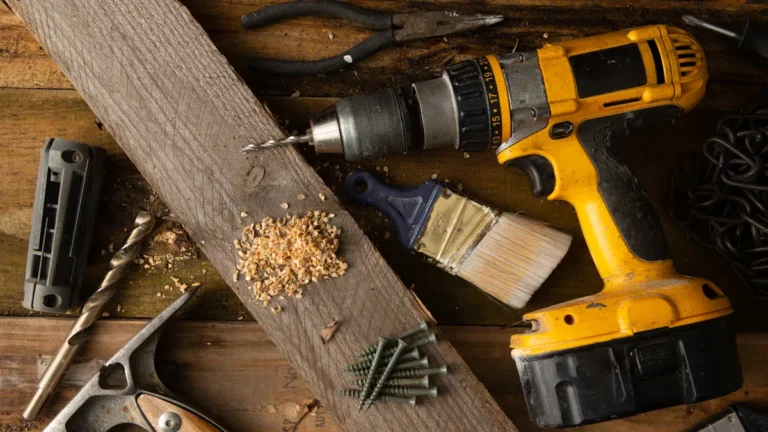
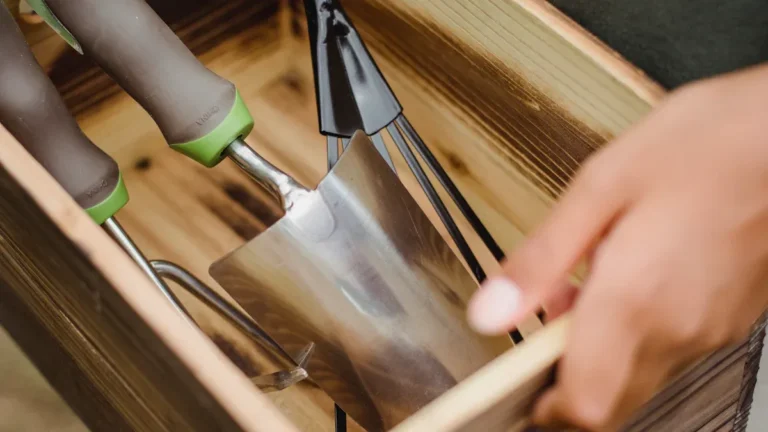
Properly storing your hand tools significantly impacts their lifespan. When you neglect to store your hand tools, you risk facing various issues. For example, unsecured tools can fall and injure workers. Items left in walkways create trip hazards. Additionally, poorly stored sharp or heavy tools can cause serious injuries. To maintain your tools and ensure safety, you must learn effective storage techniques to store your hand tools properly.
Key Takeaways
Clean your tools after each use to prevent rust and maintain efficiency.
Inspect your tools regularly to catch damage early and ensure safety.
Store tools in a dry, organized environment to protect them from moisture and damage.
Use silica gel packs to control humidity and prevent rust in storage areas.
Invest in quality storage solutions like toolboxes and pegboards for easy access and organization.
Clean Your Hand Tools
Importance of Cleaning
Cleaning your tools after each use is essential for their longevity. Regular cleaning prevents wear and rust, which can hinder a tool’s efficiency. When you clean your tools, you remove dirt, grease, and other debris that can accumulate over time. This practice not only keeps your tools looking good but also ensures they function safely and effectively. According to industry studies, regular cleaning significantly impacts the performance and lifespan of hand tools. Here are some key benefits of cleaning your tools:
It helps maintain their efficiency.
It reduces the risk of rust and corrosion.
It extends the overall lifespan of your tools.
To maximize the longevity of your hand tools, make it a habit to clean them after each use. Wipe off dirt and debris with a clean cloth or degreaser. Always dry your tools thoroughly to prevent rust.
Recommended Cleaning Methods
Different types of hand tools require specific cleaning methods. Here are some recommended techniques for various materials:
For Metal Tools:
Remove wooden handles if possible to avoid damage from water and acid.
Clean loose dirt with dish soap, water, and an abrasive pad.
Rinse and dry tools, then oil or immerse in acid to prevent rust.
Soak in citric acid or vinegar to remove rust, checking progress regularly.
Finish cleaning with nylon brushes and oil to prevent rust.
For Wood Handles:
Sand with medium-grit sandpaper and apply linseed oil to protect the wood.
For Fiberglass Handles:
Use Bar Keepers Friend Cleanser mixed with water and scrub gently.
For Plastic Handles:
Use Soft Cleanser or MORE Spray + Foam, testing on a small area first. Store tools in a dry place and consider using Rust-Oleum or oils like WD-40 for protection.
By following these cleaning methods, you can ensure that your tools remain in excellent condition. Regular maintenance not only enhances their performance but also reduces the need for costly repairs in the future.
Inspect for Damage
Regular Inspection Practices
Regularly inspecting your tools is crucial for maintaining their functionality. You should inspect your tools at least once a month or after heavy use. This practice helps you catch any damage early, preventing further issues down the line. Here are some recommended steps to follow when you inspect your tools:
Remove each tool from the storage area for individual inspection.
Test the functionality of adjustable or moving parts.
Inspect handles for cracks, splits, or damage.
Check cutting edges for sharpness and any signs of wear.
Return tools to their proper positions after inspection.
Identifying Common Issues
Neglecting to inspect your tools can lead to various problems. Here are some common types of damage you might find during your inspections:
Tool | Common Damage Types |
|---|---|
Screwdriver | Handle chipped, broken or damaged head, worn down head |
Chisel | Deformed head (mushrooming) |
Wrench | Bent, chipped, broken parts |
Hammer | Chipped, broken or loose handle, damaged claw |
Failing to conduct regular inspections can have serious consequences. Here are some potential outcomes of neglecting this important task:
Consequence | Description |
|---|---|
Increased Waste and Rework | Defective outputs lead to higher waste and the need for rework, affecting efficiency. |
Damage to Brand Reputation | Quality issues from neglect can harm customer trust and brand image. |
Reduced Lifespan of Machinery | Lack of maintenance shortens the operational life of tools, leading to more frequent replacements. |
Higher Replacement Costs | Neglecting inspections can result in costly replacements over time. |
Potential Workplace Injuries | Unchecked tool defects can lead to accidents and injuries in the workplace. |
Financial Burdens | Increased repair costs and loss of revenue due to equipment downtime can strain finances. |
By taking the time to inspect your tools, you can avoid these issues and ensure that your hand tools remain safe and effective for years to come.
Prevent Rust
Prevention Techniques
To keep your hand tools rust-free, you must focus on prevention. Here are some effective techniques to help you avoid rust formation:
Technique | Description |
|---|---|
Improve Storage Conditions | Store tools in a sealed, insulated environment to prevent moisture accumulation and rust formation. |
Use Camellia Oil | Wipe tools with Camellia Oil after use to create a moisture barrier. |
Apply Liberon Lubricating Wax | Use on larger surfaces to prevent rust and improve the ease of use of tools. |
Regular Maintenance | Conduct routine checks and maintenance to catch rust early and prevent serious damage. |
Use PTFE Dry Lubricant | Apply on threads of clamps to avoid attracting dust and ensure smooth operation. |
Clean Rust with Garryflex | Use Garryflex abrasive blocks to clean up minor rust without damaging the tool surface. |
Regular maintenance and cleaning routines are key to preventing rust. Tools often accumulate dust, debris, and moisture, which can all accelerate corrosion.
Humid conditions, contact with hands, and contact with moisture promote the formation of rust. If you can limit these conditions, you may prevent or limit the formation of rust on your tools. Humid conditions found in garages and basements are the most common causes of rust on hand and power tools.
Wiping down your tools after use can help reduce the amount of rust and moisture left on your tools.
Rust Removal Methods
If you notice rust on your tools, act quickly to remove it. Here are some effective methods for rust removal:
Soak your tool in a vinegar bath. Submerge the rusted parts in vinegar for 12 to 24 hours.
Scour the rust off. Use a heavy-duty scouring pad to remove remaining rust after soaking.
Dry and lubricate the tool. Thoroughly dry the tool and apply 3-IN-ONE Multi-Purpose Oil to prevent future rust.
By following these techniques and methods, you can protect your hand tools from rust and ensure they remain in excellent condition for years to come.
Organize Storage Solutions

Types of Storage Options
Investing in quality storage options is crucial for maintaining your hand tools. Here are some popular storage solutions you can consider:
Toolboxes and Chests: These portable options keep your tools secure and organized. They are ideal for carrying various hand tools.
Pegboards: Wall-mounted pegboards allow for easy visibility and access. You can customize them to fit your needs.
Drawer Organizers: These compartmentalize space for smaller tools and accessories, making it easier to find what you need.
Shelving Units: They provide ample space for larger tools and bulk items, keeping your workspace tidy.
Tool Carts: Mobile storage with drawers and compartments allows for easy access to your tools wherever you need them.
Wall-mounted Racks and Bins: These options utilize vertical space efficiently, helping you categorize your tools.
Magnetic Tool Holders: These holders offer quick access for metal tools and can be mounted on walls or workbenches.
Best Practices for Organization
To protect your hand tools from dust and moisture, follow these best practices:
Store power tools in their designated cases or original packaging. This keeps them safe from dust and moisture.
Use silica gel packs in toolboxes to absorb excess moisture and prevent corrosion.
Incorporate anti-rust and corrosion liners in tool chests for added protection.
Maintain a dry, clean, and organized workspace. This preserves your tools and enhances accessibility.
Avoid storing tools in hot or humid environments. High humidity can lead to corrosion and degradation of components.
Consider using a dehumidifier to maintain low humidity levels in storage areas.
Organizing your tools effectively not only enhances safety but also improves efficiency. A well-organized workspace reduces downtime due to fewer accidents and allows you to focus on your tasks. By implementing these storage solutions and practices, you can ensure that your hand tools remain in excellent condition for years to come.
Ideal Storage Environment
Conditions for Longevity
To ensure the longevity of your hand tools, you must create an ideal storage environment. The right conditions can significantly reduce the risk of damage. Here are some key factors to consider:
Temperature Control: Keep your tools in a climate-controlled space. This prevents extreme temperature fluctuations that can lead to warping or cracking.
Humidity Levels: Maintain low humidity levels. High humidity can cause rust and corrosion, which can ruin your tools over time.
Cleanliness: Store your tools in a clean area. Dust and debris can accumulate and lead to deterioration.
Climate-controlled environments significantly outperform standard garages in maintaining hand tool quality. They regulate temperature and humidity, which are crucial in preventing damage such as rust and corrosion. Standard garages expose tools to conditions that can lead to deterioration.
Using Silica Gel Packs
Silica gel packs are a simple yet effective solution for moisture control in your tool storage system. They absorb moisture from the environment, helping to prevent corrosion and other moisture-related damage to hand tools. Here are some benefits of using silica gel packs:
They maintain a dry environment in sealed storage containers.
They are easy to use and replace.
To keep your tools safe, consider the following replacement frequency for silica gel packs based on humidity levels:
Humidity Level | Replacement Frequency |
|---|---|
Low (less than 30% RH) | Every 6 – 12 months |
Moderate (30 – 60% RH) | Every 2 – 3 months |
High (more than 60% RH) | Every 1 – 2 months |
By implementing these practices, you can effectively store your hand tools and enhance their longevity. A proper storage environment not only protects your tools but also ensures they remain functional and safe for years to come.
Properly storing your hand tools is essential for their longevity. Regular cleaning, lubrication, and proper storage protect your tools from moisture and damage. Here are some key maintenance practices to remember:
Key Maintenance Practice | Benefit |
|---|---|
Regular cleaning | Prevents dirt accumulation and wear |
Lubrication | Reduces friction and enhances performance |
Proper storage | Protects from moisture and damage |
Investing in quality storage solutions, like tool cabinets, safeguards your tools from physical damage and environmental factors. By implementing these practices, you can enhance the lifespan of your tools and save money on replacements. Keep your workspace organized and your tools in top shape for years to come! 🛠️
FAQ
How often should I clean my tools?
You should clean your tools after each use. This practice helps maintain their efficiency and prevents rust. Regular cleaning ensures your tools remain in top condition.
What are smart storage solutions for hand tools?
Smart storage solutions include toolboxes, pegboards, and drawer organizers. These options keep your tools secure and easily accessible, enhancing your workspace’s organization.
How can I inspect my tools for damage?
Inspect your tools monthly or after heavy use. Look for cracks, wear, and functionality issues. Regular inspections help you catch problems early and maintain tool safety.
What should I do if I find rust on my tools?
If you find rust, act quickly. Soak the rusted parts in vinegar, scour off the rust, and dry the tool thoroughly. Apply oil to prevent future rust.
Why is proper storage important for hand tools?
Proper storage protects your tools from moisture, dust, and damage. It extends their lifespan and ensures they remain functional and safe for use.