

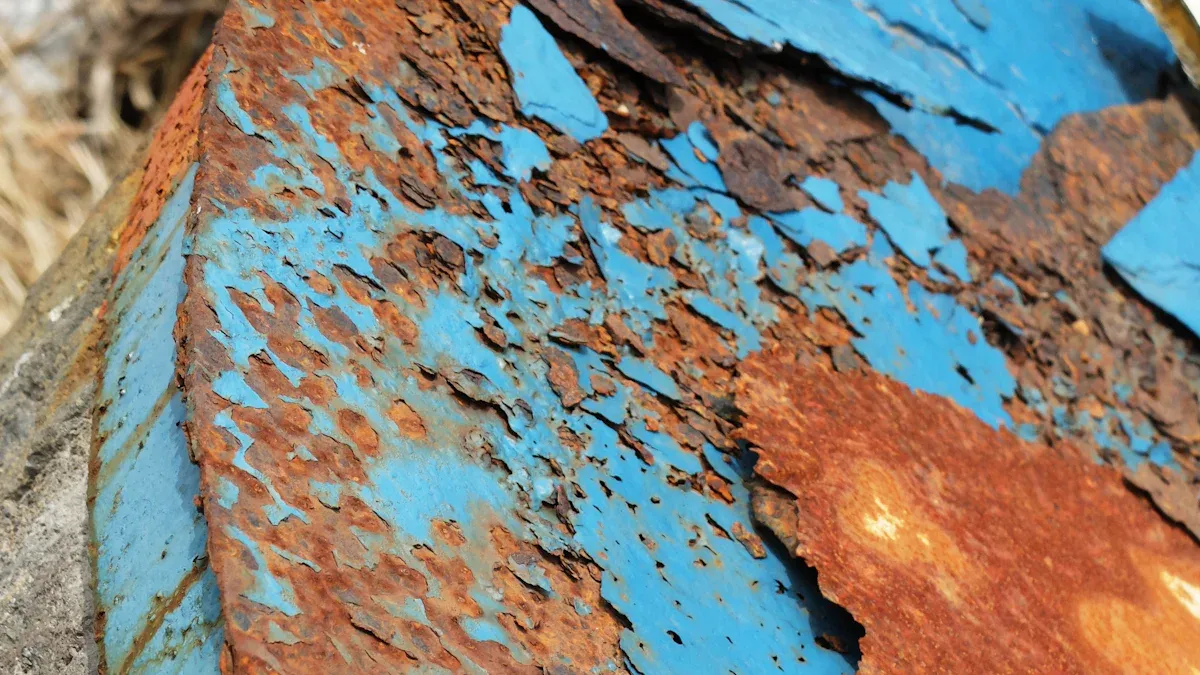
Rust can really mess up your tools. It eats away at the metal, making it weaker and easier to break. When rust builds up, your tools lose strength and don’t work as well. This damage also shortens how long your tools last, which means you might spend more money fixing or replacing them. Luckily, you don’t have to accept rusty tools as a lost cause. You can clean rust off with simple methods that bring your tools back to life and keep them working strong.
Rust Removal Methods
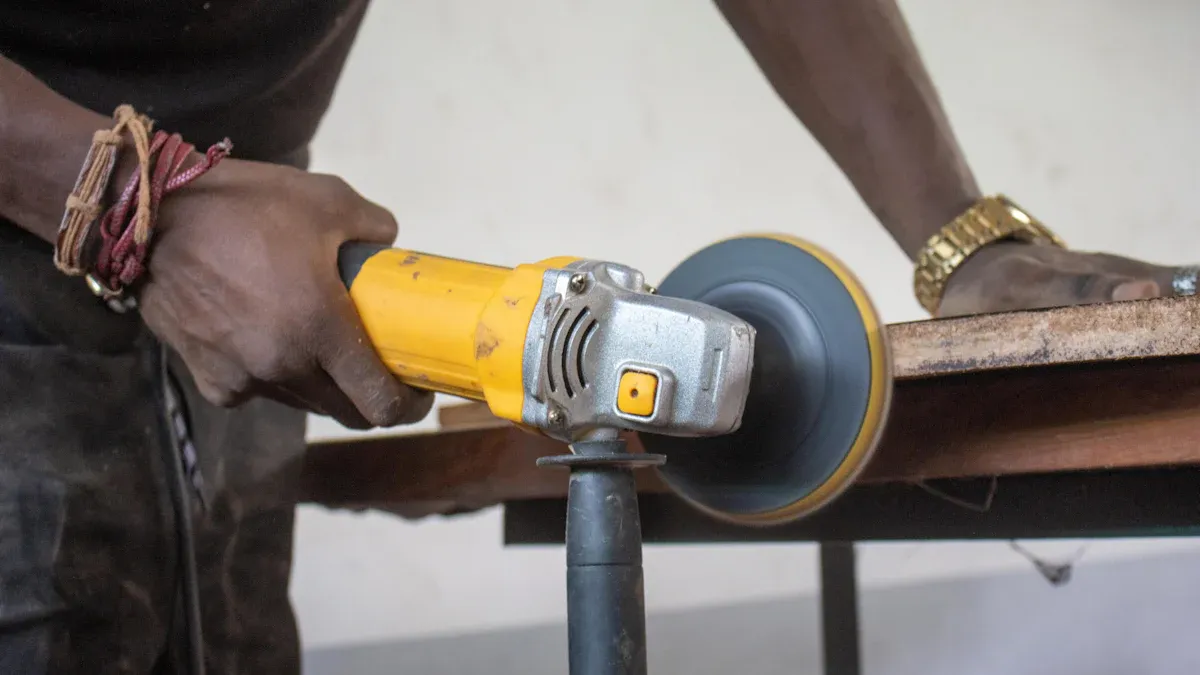
When you want to clean rust off your tools, you have many good methods to choose from. Each method works well in its own way. You can pick the one that suits you best. Let’s look at some popular choices!
Clean Rust Off with Vinegar
Vinegar is a great item to use for rust removal. It has acetic acid, which reacts with rust (iron oxide) and breaks it down. This means you can wash away the rust easily, making your tools clean and ready to use.
- Materials Needed:
- Wire brush
- White vinegar (cleaning vinegar works better!)
- Plastic container
- Clean rags
- Gloves and eyewear for safety
- Process Summary:
- Soak your rusty tools in vinegar for 12 to 24 hours.
- After soaking, scrub the rust off with a wire brush.
- Rinse the tools well and dry them.
Tip: Cleaning vinegar has 6% acidity. It is 20% stronger than regular white vinegar. It’s also eco-friendly and cheap, usually costing about $3 to $4 per gallon.
Clean Rust Off Using Cola
Believe it or not, cola can help you clean rust from tools! The phosphoric acid in Coca-Cola dissolves rust, making it easier to clean your tools.
- Materials Needed:
- Coca-Cola
- Plastic container
- Clean rags
- Gloves
- Process Summary:
- Submerge the rusty tools in cola for a few hours.
- After soaking, scrub the rust away with a cloth or brush.
- Rinse and dry your tools.
Did You Know? Many people have had success cleaning rust from cast iron tools using cola. The acid in Coke makes rust removal easy!
Baking Soda and Salt Method
If you want a natural way, the baking soda and salt method is a good choice. This mix creates a strong rust remover that’s safe for your tools.
- Materials Needed:
- Baking soda
- Salt
- Water
- Wire brush
- Clean rags
- Gloves
- Process Summary:
- Mix ½ cup of salt with ½ gallon of distilled white vinegar to make a rust removal solution.
- Soak your rusty tools in this solution for up to 12 hours.
- Rinse the items and then soak them in a mix of ½ gallon of water and ½ cup of baking soda for about 10 minutes.
- Wipe down the metal surfaces and rinse them under warm water.
| Aspect | Natural Methods (Baking Soda & Salt) | Commercial Products |
|---|---|---|
| Environmental Impact | Environmentally friendly | May contain harmful chemicals |
| Effectiveness for Light Rust | Effective | Highly effective |
| Effectiveness for Heavy Rust | Less effective | Highly effective |
| Cost | Low cost (home products) | Varies (often higher) |
| Time Required | More time-consuming | Quick application |
| Convenience | Easy to use with home products | Requires purchase |
Commercial Rust Removers
If you have heavy rust, commercial rust removers might be your best choice. These products are made just for rust removal and can work very well.
- Materials Needed:
- Rust remover product
- Plastic container
- Clean rags
- Gloves and eyewear
- Process Summary:
- Follow the instructions on the rust remover product.
- Usually, you’ll soak the item in the solution for a set time.
- Rinse well after soaking.
Note: While commercial rust removers work well, they may have harsh chemicals. Always read the label and use protective gear.
By using these methods, you can easily clean rust off your tools and keep them in great shape!
Materials for Cleaning
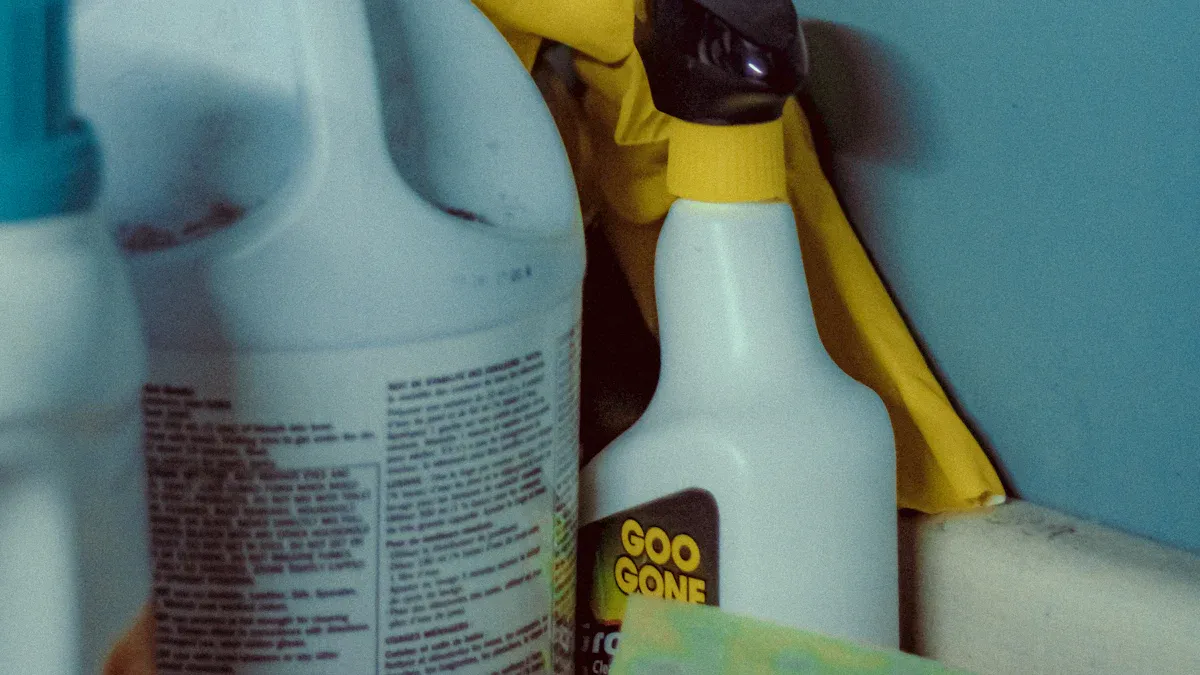
When you want to clean rust off your tools, having the right materials is very important. You can use items from your home or buy special tools. Let’s look at what you need!
Household Items
You might be surprised by how many common things in your home can help remove rust from tools. Here’s a quick list of useful household items:
- Vinegar: Its acidity breaks down rust well.
- Baking Soda: This works great when mixed with water or salt.
- Lemon Juice: The citric acid helps dissolve rust.
- Coca-Cola: The phosphoric acid in cola can tackle rust spots.
- Potatoes: Believe it or not, the oxalic acid in potatoes can help too!
These items are easy to find and cheap. They’re usually in most kitchens and are good for the environment. However, remember that they may take more time and effort, especially for tough rust.
Specialized Tools
If you have heavy rust, special tools can make your job easier and faster. Here are some tools made just for rust removal:
- Coated Abrasives: These include cartridge rolls, flap wheels, and sanding drums.
- Carbide Burrs: These come in different sizes and shapes for detailed work.
- Wire Brushes: Great for scrubbing off rust in tight spaces.
- Power Tools: Tools like drum sanders and sandblasters can save you time and effort.
Using special tools makes your work easier. They give you better control, so you can clean without hurting the metal underneath. Plus, many of these tools don’t need chemicals, making them safer for you and the planet.
By gathering the right materials, you’ll be ready to tackle rust on your tools and keep them in great shape!
Step-by-Step Cleaning Instructions
Vinegar Method Steps
- Gather Your Supplies: You’ll need white vinegar, a wire brush, a plastic container, clean rags, and gloves.
- Soak the Tools: Place your rusty tools in the container and pour enough vinegar to cover them completely. Let them soak for 12 to 24 hours.
- Scrub Away the Rust: After soaking, take a wire brush and scrub the rust off. The vinegar will have loosened it, making this step easier.
- Rinse and Dry: Rinse the tools thoroughly under running water to remove any vinegar residue. Dry them immediately with a clean rag to prevent new rust from forming.
Cola Method Steps
- Gather Supplies: You’ll need regular Coca-Cola (not diet), a container, gloves, steel wool or a stiff brush, clean cloths, and water for rinsing.
- Pre-Clean the Tool: Wipe off any loose dirt and grime with a dry cloth. If there’s grease, wash it with dish soap and let it dry.
- Submerge the Tool: Place the tool in a container and pour enough Coke to fully cover the rusted areas. Avoid metal containers, as the acid can react with them.
- Soak Time: Let the tool soak for at least 24 hours. For heavy rust, extend the soak to 48–72 hours. Check progress every 12 hours by gently scrubbing a small area.
- Scrub Gently: After soaking, remove the tool and use steel wool or a brass brush to wipe away the softened rust. Be careful not to scratch the surface.
- Rinse Thoroughly: Wash the tool under running water to remove all traces of sugar and acid residue.
- Dry Immediately: Use a clean towel to dry the tool completely. Residual moisture can lead to re-rusting.
- Protect the Surface: Apply a thin coat of machine oil, WD-40, or paste wax to prevent future oxidation.
Commercial Remover Steps
- Read the Instructions: Always start by reading the label on your commercial rust remover. Each product may have specific instructions.
- Prepare the Tool: Clean off any loose dirt and grime before applying the remover.
- Apply the Product: Follow the instructions for soaking time. Usually, you’ll need to soak the item in the solution for a set time.
- Rinse Well: After soaking, rinse the tool thoroughly under running water to remove all chemicals.
- Dry and Protect: Dry the tool completely and apply a protective coating to prevent future rust.
By following these steps, you can effectively clean rust off your tools and keep them in great shape!
Preventing Future Rust
Keeping your tools free from rust is all about prevention. If you use the right storage methods and take care of your tools, you can lower the chances of rust forming. Let’s look at some good strategies!
Proper Storage Techniques
Storing your tools the right way is very important to stop rust. Here are some tips to remember:
- Clean the Tools: Always clean your tools before putting them away. Get rid of moisture, dirt, and grease with a mild soap. Dry them well to stop corrosion.
- Climate Control: Keep your tools in a place with good air flow. This helps keep humidity low and avoids temperature changes that can cause rust.
- Moisture Management: Think about using things like silica gel in your storage area. These absorb moisture from the air, lowering humidity and stopping rust from forming.
- Protective Coatings: Put rust-preventive coatings on metal surfaces. This makes a barrier against moisture and keeps your tools in great shape.
Tip: High humidity makes corrosion happen faster. By controlling humidity, you can protect your tools from rust.
Regular Maintenance Tips
Regular maintenance is important to keep your tools rust-free. Here are some routines you should do:
| Maintenance Routine | Purpose |
|---|---|
| Routine Inspections | Find early signs of corrosion, like discoloration or rough spots. |
| Cleaning Practices | Get rid of dirt and moisture that can cause rust. |
| Lubrication Schedules | Keep moving parts working well and reduce exposure to dirt. |
| Corrosion Inhibitors | Apply every 6-12 months to guard against rust. |
| Protective Coatings | Check and reapply as needed, especially in areas that wear out fast. |
| Lubricants and Greases | Look for dryness or dirt and reapply when needed. |
By following these maintenance tips, you can help your tools last longer. Regular care not only stops rust but also saves you money on expensive repairs or replacements.
Did You Know? Regular maintenance can help your tools last longer and work better. It’s a small effort that pays off big time!
Cleaning rust off your tools doesn’t have to be a hassle. You can choose from various methods like using vinegar, cola, or commercial rust removers. Each method has its strengths, especially for light to heavy rust. Remember, regular maintenance is key to preventing rust from returning. Here are some quick tips to keep your tools in top shape:
- Apply protective coatings to create a moisture barrier.
- Store your tools in a dry environment.
- Conduct regular inspections to catch any signs of rust early.
Take action today to ensure your tools last longer and perform better!
FAQ
How can I remove rust from tools without scrubbing?
You can soak your tools in vinegar or cola. These methods let you remove rust easily, sometimes without scrubbing. Just soak, rinse, and dry your tools!
What is the best way to restore heavily rusted tools?
For tools with a lot of rust, use commercial rust removers. They are made for tough jobs and can bring your tools back to their original state.
How often should I clean my tools to prevent rust?
Regular care is important! Clean your tools after each use and check them every month. This helps find any rust early and keeps your tools in good shape.
Can I use household items for rust restoration?
Yes! Items like vinegar, baking soda, and cola can help restore your tools. They are safe, cheap, and often work as well as store-bought products.
What should I do after cleaning my tools?
After cleaning, dry your tools well to stop moisture from building up. Put on a protective coating, like oil or wax, to keep rust away and make your tools last longer.
