


When you choose the right cordless power tools, you set yourself up for success. Picking the right tools not only boosts your efficiency but also keeps you safe while working. Recent studies show that factors like battery life and ergonomics can significantly impact your project outcomes and user satisfaction. For instance, tools with longer battery life reduce downtime and enhance comfort. Plus, when you prioritize maneuverability and reduce fatigue, you’ll feel more confident in your work. Making informed choices leads to better results and a more enjoyable experience.
Key Takeaways
Choose cordless tools for better mobility and safety during projects.
Select tools with ergonomic designs to reduce fatigue and enhance comfort.
Ensure battery compatibility to avoid frustration and maximize efficiency.
Consider your usage frequency to select tools that match your needs and budget.
Look for brands with solid warranties to protect your investment and ensure satisfaction.
Key Factors to Choose the Right Tools

When it comes to cordless power tools, two key factors stand out: battery compatibility and tool types. Understanding these elements can make a big difference in your projects.
Battery Compatibility
Battery compatibility is crucial for ensuring your tools work efficiently. You want to avoid the frustration of having a battery that doesn’t fit your tool. Here’s a quick look at the most common battery types used in cordless power tools:
Battery Type | Description | Compatibility Impact |
|---|---|---|
NiCD | Nickel Cadmium | Older technology, less efficient, but widely used in older tools. |
NiMH | Nickel Metal Hydride | More efficient than NiCD, but still not as popular as Li-ion. |
Li-ion | Lithium Ion | Latest technology, most popular, offers better performance and compatibility with modern tools. |
When selecting your cordless tools, consider these points about battery compatibility:
Voltage must match the tool’s requirements precisely. A mismatched voltage can lead to insufficient power or even damage.
The physical design of the battery, including connection points, is essential for compatibility. Each manufacturer has unique designs that must align perfectly.
Interchangeable battery packs allow you to use one battery across different tools, which can save you money and reduce clutter.
Remember, a good battery tool system can enhance your productivity. Look for tools that allow you to swap batteries easily, so you don’t have to juggle multiple chargers.
Tool Types
Next, let’s talk about the different types of cordless tools available. Choosing the right type depends on the tasks you plan to tackle. Here’s a breakdown of common cordless tool categories:
Tool Type | Examples |
|---|---|
Drilling and Fastening Tools | Drills, Impact Drivers, Impact Wrenches, Screwdrivers |
Demolition Tools | Demolition Hammers |
Sawing and Cutting Tools | Jigsaws, Reciprocating Saws, Circular Saws |
Material Removal Tools | Sanders, Polishers, Grinders |
Routing Tools | Routers, Planers |
To select the best tools for your needs, define the tasks you’ll be doing. Consider these factors:
Power Type: Decide if you need cordless tools for mobility or corded tools for constant power.
Motor Strength: Match the motor rating to the demands of your tasks.
Weight and Portability: Lighter tools are easier to handle and transport.
Ease of Use: Look for designs that enhance comfort and handling.
Safety Features: Prioritize tools with safety mechanisms to prevent accidents.
By understanding battery compatibility and the types of tools available, you can make informed choices that will lead to successful projects.
Recommended Cordless Brands
When it comes to cordless power tools, two brands often stand out: Milwaukee and DeWalt. Both have built a solid reputation for quality and performance, making them popular choices among professionals and DIY enthusiasts alike.
Brand A: Milwaukee
Milwaukee is known for its innovative designs and robust performance. Many users praise its tools for their durability and efficiency. Here are some pros and cons to consider:
Pros:
High Performance: Milwaukee tools often excel in independent tests. For example, in the RSS Screw Test, Milwaukee completed the task in just 5.90 seconds, outperforming DeWalt, which took 7.17 seconds.
Wide Range of Equipment: Milwaukee offers a diverse selection of tools, including drills and saws, making it easy to find what you need for any project.
Cons:
Price Point: Milwaukee tools can be on the pricier side, which might not suit every budget.
Weight: Some users find Milwaukee tools heavier than competitors, which can affect maneuverability during extended use.
Brand B: DeWalt
DeWalt is another leading brand that many professionals trust. It’s known for its reliable tools and solid performance. Here’s a quick look at the pros and cons:
Pros:
Reliability: DeWalt tools consistently receive high marks for reliability. They perform well under pressure, making them a favorite for heavy-duty tasks.
User-Friendly: Many users appreciate the ergonomic designs of DeWalt tools, which enhance comfort during use.
Cons:
Performance Variability: While DeWalt tools are generally reliable, some models may not perform as well as Milwaukee in specific tests. For instance, in the Lag Bolt Test, DeWalt took 6.12 seconds compared to Milwaukee’s 5.80 seconds.
Limited Battery Compatibility: Some DeWalt tools may not be compatible with all battery types, which can limit your options.
Both Milwaukee and DeWalt offer quality cordless tools that can meet your needs. Your choice may depend on your specific requirements, budget, and preferences.

Battery Quality and Performance
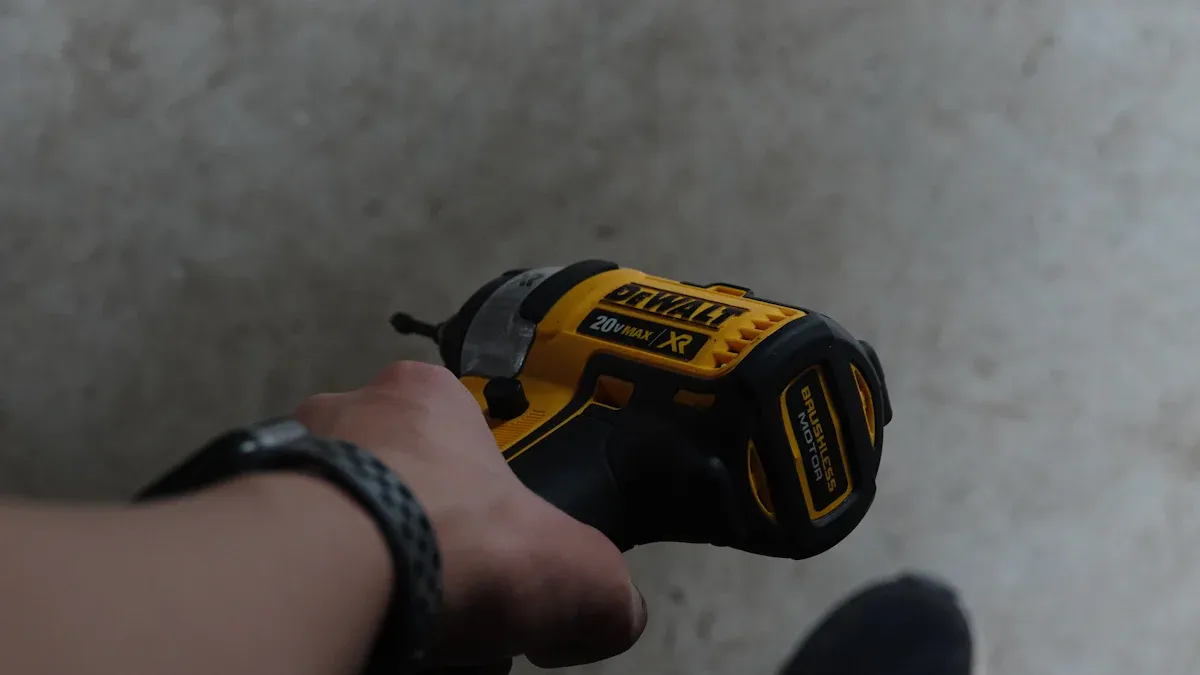
When it comes to cordless power tools, battery quality plays a vital role in your overall experience. You want tools that not only perform well but also last long enough to keep you working without interruptions. Let’s dive into two critical aspects: longevity and safety features.
Longevity
Battery longevity is essential for maintaining productivity. You don’t want to be constantly charging or replacing batteries. Here’s a quick overview of the average lifespan of different battery types used in cordless power tools:
Lithium-ion batteries: 3-5 years
Nickel-Cadmium batteries: 2-3 years
Nickel-Metal Hydride batteries: 2-4 years
As you can see, lithium-ion batteries generally offer the longest runtime, making them a popular choice. But remember, the longevity of your batteries directly impacts your costs.
Evidence Type | Details |
|---|---|
Ongoing Expense | Battery replacement is the biggest ongoing cost for cordless tool users. |
Replacement Cost | Quality batteries cost around USD 100.00 each. |
Longevity | Batteries last about 1,000 recharge cycles, leading to frequent replacements for heavy users. |
If you’re a professional user, you might find yourself replacing batteries every two years. This can add up quickly, so consider investing in high-quality batteries from the start. They may cost more upfront, but they can save you money in the long run.
Safety Features
Safety should always be a priority when using cordless power tools. High-quality power tool batteries come with safety certifications that enhance user trust. Here’s how these features can influence your purchase decisions:
Key Point | Explanation |
|---|---|
Safety Certifications | Enhance user trust by providing verifiable safety credentials. |
Risk Reduction | Lower the risk of product failures, making you more confident in your purchases. |
Quality Improvement | Better quality leads to longer product life and less waste, fostering public trust. |
Look for batteries that have safety certifications. For example, CREDZ provides a unique digital fingerprint for each certified product. You can verify safety credentials instantly through a quick scan, reducing reliance on physical documentation.
Practical Tips for Tool Selection
Usage Frequency
When choosing cordless power tools, think about how often you’ll use them. If you’re a professional contractor, you need tools that can handle daily wear and tear. You want durable options that can withstand heavy use. On the other hand, if you’re a DIY enthusiast, you might not need the same level of durability. You can focus on budget-friendly tools that still get the job done for your occasional projects.
Here are some key points to consider based on your usage frequency:
Professional Contractors: Look for tools designed for frequent use. They should be robust and reliable.
DIY Enthusiasts: Consider tools that offer good value without breaking the bank. You can prioritize affordability while still ensuring decent performance.
Warranty Considerations
Warranties can make a big difference in your satisfaction with cordless power tools. A solid warranty gives you peace of mind and can save you money in the long run. Many users find that long-term coverage motivates them to choose specific brands. They often report positive experiences with customer service, especially when submitting claims.
Here’s a quick look at warranty terms from some leading brands:
Brand | Warranty Periods |
|---|---|
Klein Tools | 5 years for hydraulics, 3 years for motor/housing/electronics, 1 year for moving parts |
RIDGID | Limited Lifetime Service Agreement with registration for eligible tools |
Bosch | 5 years for 18V cordless tools, 3 years for 18V batteries |
Understanding these warranty details helps you make informed choices. For instance, Milwaukee offers broader claims for wear and natural degradation, while DeWalt has more restrictive terms but provides a 3-year limited assurance. Knowing these distinctions can significantly impact your long-term satisfaction with your purchase.
Remember, a good warranty can justify the expense of higher-quality tools. It often leads to significant savings from complimentary replacements or repairs.
Choosing the right cordless power tools can make a huge difference in your projects. Remember to consider battery compatibility, tool types, and brand reliability. As you shop, think about your specific needs and how often you’ll use the tools.
Here are some key takeaways:
Cordless tools enhance mobility and safety.
Look for ergonomic designs to reduce fatigue.
Research multiple sources to find the best options for you.
By doing thorough research and understanding your requirements, you can select tools that will serve you well for years to come. Happy building!
FAQ
What should I look for in a cordless power tool battery?
You want a battery that offers long life and quick charging. Lithium-ion batteries are often the best choice. They provide consistent power and last longer than other types.
How do I maintain my cordless power tool battery?
To maintain your battery, keep it charged but avoid overcharging. Store it in a cool, dry place. Regularly clean the terminals to ensure good connections.
Can I use different brands of batteries with my tools?
Generally, you should use batteries from the same brand as your tools. Different brands may have varying voltage and design, which can lead to compatibility issues.
How long do cordless power tool batteries last?
Battery life varies by type. Lithium-ion batteries typically last 3-5 years, while Nickel-Cadmium batteries last about 2-3 years. Proper care can extend their lifespan.
Are there safety features I should consider for batteries?
Yes! Look for batteries with safety certifications. Features like overcharge protection and temperature control can help prevent accidents and prolong battery life.


