

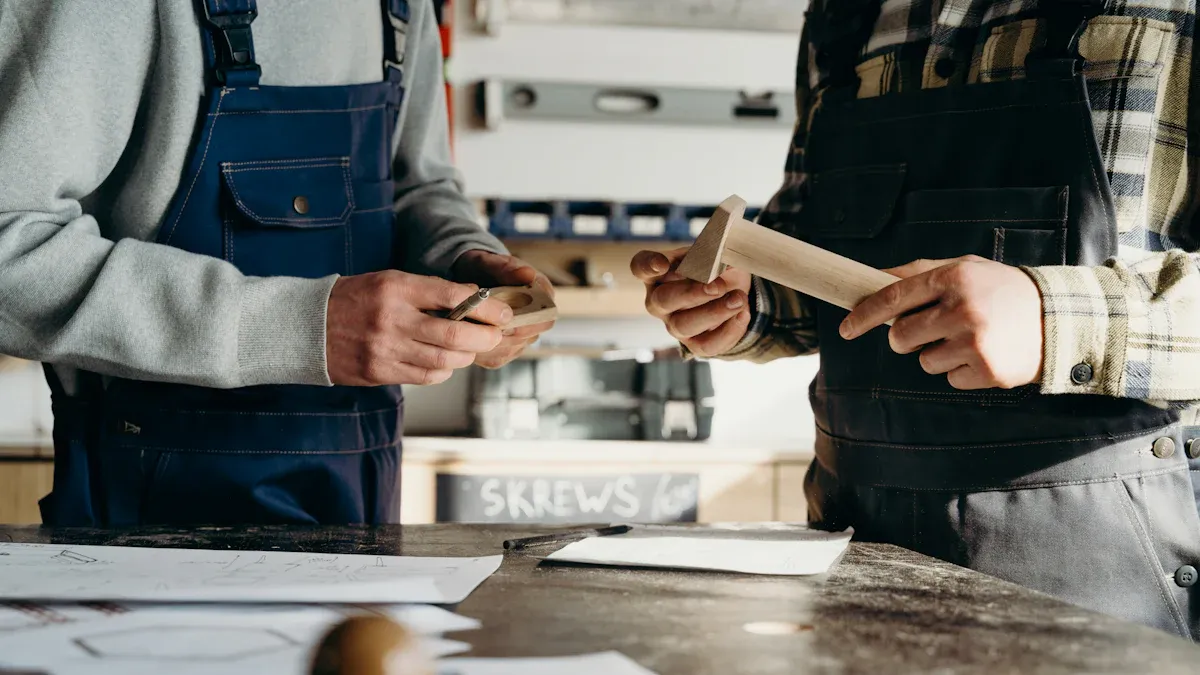
Having a tool chest in your workshop makes a world of difference. It keeps your tools organized and easily accessible, which boosts your efficiency when working on projects. Plus, there’s something truly satisfying about deciding to build a tool chest yourself. You get to express your craftsmanship and ensure it meets your personal standards. Many woodworkers choose to build a tool chest for reasons like wanting high-quality construction, avoiding common issues with old models, and achieving a functional yet attractive storage solution.
Key Takeaways
Choose the right materials for durability. Hardwoods like oak and walnut offer strength, while softwoods like cedar are more affordable and easier to work with.
Plan your tool chest dimensions carefully. Aim for a height of 22″ to 27″ and a width of 35″ to 43″ to ensure comfort and usability.
Follow safety precautions when cutting wood. Always measure twice, keep your workspace clean, and wear safety glasses to prevent accidents.
Organize your tools effectively inside the chest. Group similar tools together and use stackable totes for easy access and reduced clutter.
Personalize your tool chest with colors and designs that reflect your style. A well-organized workspace boosts productivity and reduces stress.
Materials to Build a Tool Chest
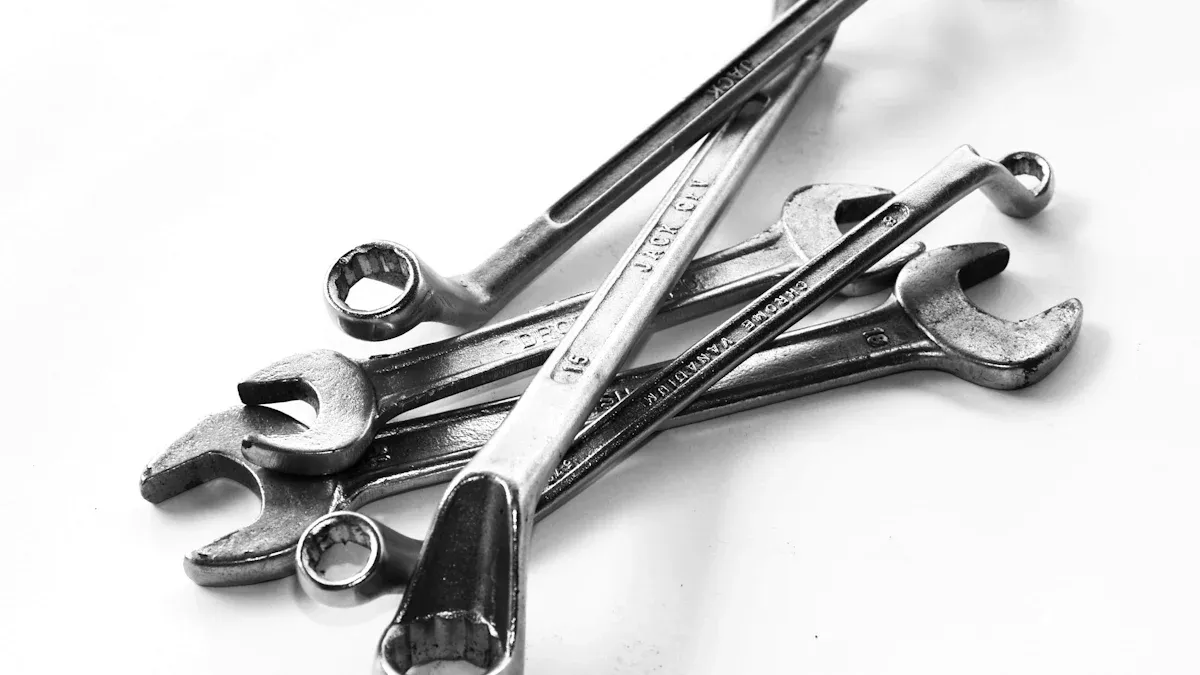
Building a tool chest requires careful selection of materials. The right choices will ensure your chest is durable and functional. Let’s break down the essential materials you’ll need.
Wood Types
When it comes to wood, you have several options. Each type has its own characteristics that can affect the durability and appearance of your tool chest. Here are some popular choices:
Hardwoods: These are generally more resilient and durable than softwoods. They can be a bit challenging to work with, especially without power tools. Some excellent hardwood options include:
Oak: Known for its strength and durability.
Walnut: Offers a beautiful finish and is quite resilient.
Mahogany: Durable and has a rich color.
Softwoods: While not as strong as hardwoods, softwoods can be more affordable and easier to work with. Consider these options:
Cedar: Moisture resistant, making it great for humid environments.
Redwood: Insect resistant and lightweight.
Wood Type | Durability Characteristics |
|---|---|
Oak | Strong and durable |
Walnut | Resilient and durable |
Mahogany | Durable |
Cedar | Moisture resistant |
Redwood | Insect resistant |
If you’re looking for a cost-effective option, yellow pine is a great choice. It’s heavy, cheap, and readily available. However, hardwoods like ash may be pricier due to availability issues. Poplar and maple are also affordable and easy to work with, making them good choices for your project.
Hardware and Fasteners
Selecting the right hardware and fasteners is crucial for the security and functionality of your tool chest. Here are some key components to consider:
Hinges: Choose sturdy hinges that can support the weight of the lid. Steel hinges are a great option for durability.
Locks: If you want to keep your tools secure, consider a reliable locking mechanism. This adds an extra layer of safety.
Handles: Look for handles that are comfortable to grip and can withstand frequent use.
When choosing materials, think about the environment where your tool chest will live. For example, if it’s going to be in a damp area, opt for weather-resistant finishes to prevent rust and corrosion.
Tools Required
To build a tool chest, you’ll need a few essential tools. Here’s a list to get you started:
Saw: A circular saw or table saw will help you make precise cuts.
Drill: A power drill is necessary for making holes and driving screws.
Screwdriver: A good set of screwdrivers will help with assembly.
Measuring Tape: Accurate measurements are key to a well-built chest.
Sander: Sanding will give your chest a smooth finish.
By selecting robust materials and the right tools, you’ll set yourself up for success as you build a tool chest that meets your needs and stands the test of time.
Planning to Make a Tool Chest
Before you start building a tool chest, you need to plan its dimensions and design. This step is crucial because it helps you create a chest that fits your tools perfectly and meets your needs.
Dimensions and Design
To determine the correct dimensions, first, lay out your tools. Think about the types of tools you own and how you want to store them. Traditional tool chests usually have specific dimensions that enhance usability. Here’s a quick overview:
Aspect | Details |
|---|---|
Height | Aim for a height between 22″ to 27″, which is comfortable for most users. |
Width | Standard widths range from 35″ to 43″, allowing space for longer tools like handsaws. |
Depth | Match the depth to the height for stability; a shallow chest can tip over, while a deep one may be hard to reach into. |
Compartment Layout | Most chests feature three compartments for different tool types, making organization easier. |
These dimensions will help you create a functional tool chest that keeps everything organized and accessible.
Sketching Your Plan
Once you have the dimensions, it’s time to sketch your design. Grab a piece of paper and start drawing! Don’t worry about making it perfect; just focus on getting your ideas down. Here are some tips to help you:
Include Measurements: Write down the dimensions next to each part of your sketch. This will guide you when cutting the wood.
Think About Layout: Visualize where each tool will go. Consider adding dividers for smaller items to keep everything in its place.
Use Simple Shapes: Start with basic shapes for the chest and compartments. You can refine the details later.
By planning carefully, you’ll make the process of building a tool chest much smoother. A well-thought-out design will save you time and effort in the long run. So, take your time with this step!
Construction Steps
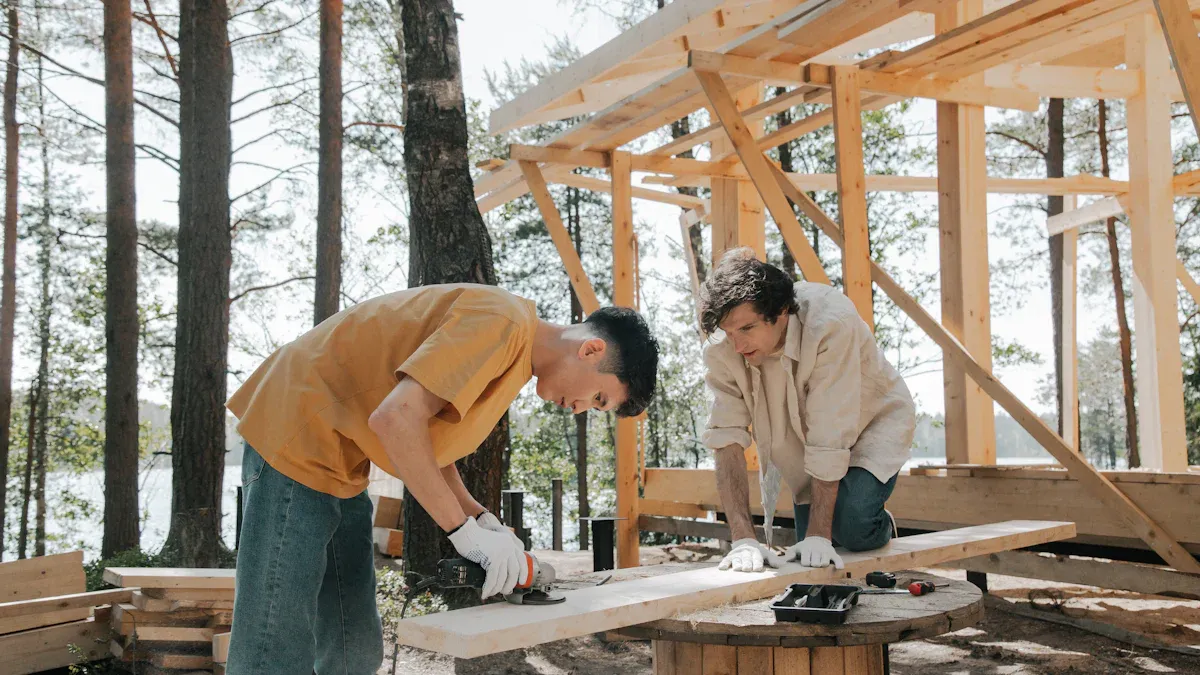
Building your tool chest is an exciting process! Let’s break it down into manageable steps.
Cutting the Wood
Start by gathering your materials and tools. Before you cut anything, create a cutting list. This list helps you manage any small variations during construction. It ensures each piece is cut to the correct size before assembly.
Measure Twice, Cut Once: Always double-check your measurements. This simple rule can save you from mistakes.
Use a Tablesaw: For the best accuracy, use a tablesaw. It offers repeatability and parallelism, which can be tricky with a tracksaw alone.
Safety First: Follow these safety precautions while cutting:
Safety Precaution
Description
KEEP GUARD IN PLACE
Ensure all guards are in place and functioning properly.
REMOVE ADJUSTING KEYS AND WRENCHES
Always check that keys and wrenches are removed before starting the tool.
KEEP WORK AREA CLEAN
A tidy workspace reduces the risk of accidents.
DON’T USE IN DANGEROUS ENVIRONMENT
Avoid using tools in wet or damp conditions.
WEAR PROPER APPAREL
Avoid loose clothing and jewelry that could get caught in tools.
ALWAYS WEAR SAFETY GLASSES
Protect your eyes with appropriate safety glasses.
By following these steps, you’ll ensure a safer and more efficient cutting process.
Assembling the Frame
Now that you have all your pieces cut, it’s time to assemble the frame. This step is crucial for the structural integrity of your tool chest.
Detailed Planning and Design: Make sure you’ve done your load calculations and sized your components correctly. This prevents overloading.
Quality Material Selection: Use high-quality materials and inspect them for defects. This maintains strength and durability.
Precise Installation: Measure accurately and use appropriate fasteners to secure connections. This prevents movement and failure.
Consider using dovetail joints for added strength. The clever shape of a dovetail joint enhances the connection. The more force you apply to pull it apart, the tighter it becomes.
Adding the Lid and Dividers
With the frame assembled, it’s time to add the lid and dividers. This will help keep your tools organized and accessible.
Attaching the Lid: Use sturdy hinges to attach the lid. Make sure they can support the weight of the lid.
Installing Dividers: For the dividers, consider using rabbets and nails for construction. Ensure the compartments are slightly larger than the tools they will hold. This allows for easy access.
When attaching a tool rack to the inner wall of the chest, use countersunk screws for stability. Drive two screws from outside the chest and one from inside. This method ensures the rack is secure and allows clearance for taller tools.
By following these construction steps, you’ll create a sturdy and functional tool chest that meets your needs. Enjoy the process and take pride in your craftsmanship!
Finishing Touches and Organization
Sanding and Painting
Once you’ve assembled your tool chest, it’s time to give it a smooth finish. Sanding is crucial for achieving that polished look. Here are some techniques to consider:
Progress through different grits, starting from 80 and moving up to 400. This gradual approach helps you smooth the surface effectively.
Use hard sanding blocks for better control, especially on edges and corners.
Finish sanding by hand with the highest grit to blend any scratch marks into the wood grain.
After sanding, you’ll want to protect your chest with a durable finish. Here are some great options:
Milk Paint: This works well as a top color over oil-based paint.
Latex Paint: Apply two coats for durability, but be aware it may show wear over time.
Rust-oleum Painters Touch 2X Ultra Cover: Known for its durability, it requires fewer coats.
Powder Coat: This finish is chip-resistant and environmentally friendly.
CeraKote: Extremely tough, it offers excellent chip and rust resistance.
Before painting, remember to prime and sand the surface. For CeraKote, baking the paint enhances its durability.
Organizing Tools Inside
Now that your tool chest looks great, let’s talk about keeping it organized. Start by decluttering. Remove any unnecessary items to make space for your essential tools. Here are some strategies to help you organize effectively:
Designate specific storage spaces for each tool to reduce clutter.
Group tools by type or purpose. This makes it easier to find what you need quickly.
Regularly evaluate your tools and projects to avoid accumulating unused items.
Make maintenance a habit. Keeping your workspace organized will save you time in the long run.
Consider adding stackable tool totes inside your chest. These totes allow you to separate various tools and parts, making access easier. They’re perfect for both workshop use and transport, enhancing your overall organization.
By focusing on these finishing touches and organization strategies, you’ll create a tool chest that not only looks fantastic but also functions efficiently. Enjoy your newly organized workspace!
Building your own tool chest is a rewarding project. You’ve learned to select materials, plan dimensions, and construct a sturdy chest. Now, it’s time to make it your own! Personalize your tool chest with colors or designs that reflect your style.
A well-organized workspace can significantly boost your productivity. Studies show that it reduces stress and helps you focus better. Here are some benefits of staying organized:
Improved focus and productivity
Boosted morale
Reduced stress levels
So, enjoy the satisfaction of completing this DIY project and watch how it transforms your workshop! 🎉
FAQ
What tools do I need to build a tool chest?
You’ll need a saw, drill, screwdriver, measuring tape, and sander. These tools help you cut, assemble, and finish your chest effectively.
How long does it take to build a tool chest?
Building a tool chest typically takes a few hours to a couple of days. It depends on your skill level and the complexity of your design.
Can I customize my tool chest?
Absolutely! You can personalize your tool chest with colors, designs, and compartments that suit your needs. Make it uniquely yours!
What type of wood is best for a tool chest?
Hardwoods like oak or walnut offer durability, while softwoods like pine are more affordable and easier to work with. Choose based on your budget and skill level.
How do I maintain my tool chest?
Regularly check for wear and tear. Keep it clean and apply a protective finish as needed. This helps maintain its appearance and functionality.

