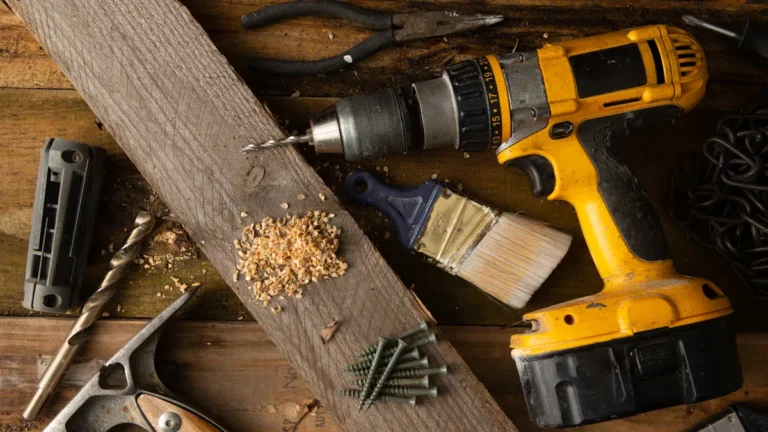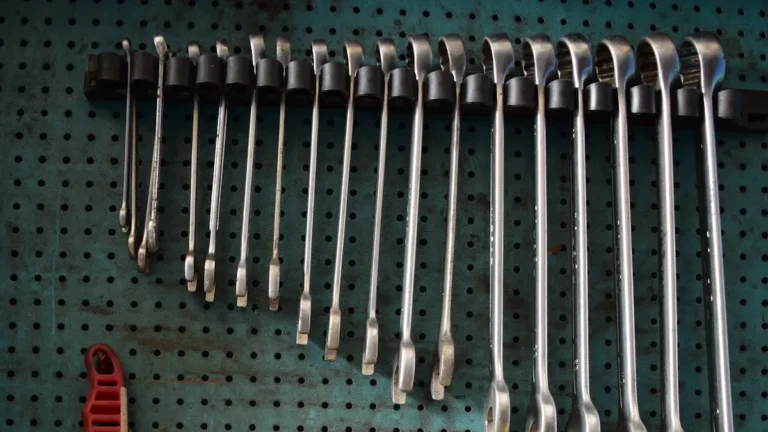
Taking care of your hand tools is crucial for their longevity and optimal performance. Here are some essential tips: Regular maintenance can enhance efficiency and safety. For instance, checking for wear helps you spot tools that may pose risks. Proper cleaning keeps dirt and rust at bay, ensuring your tools work smoothly.
Key Takeaways
Clean your tools immediately after use to prevent rust and wear. Use soapy water or cleaning wipes for quick maintenance.
Inspect your tools regularly for damage. Early detection of wear can prevent accidents and extend tool life.
Store tools in a dry, organized space. Proper storage reduces wear and keeps tools easily accessible.
Essential Tips for Cleaning Tools
Immediate Cleaning
Cleaning your tools right after use is essential. It helps prevent rust, corrosion, and wear. Here are some effective methods for immediate cleaning:
Soaking in soapy water: Mix dish detergent with hot water. Soak your tools for about 30 minutes. This method loosens dirt and grime, making it easier to scrub off. After soaking, dry them thoroughly to prevent rust.
Using cleaning wipes: These are perfect for quick clean-ups. Just grab a wipe and remove any grease or dust after each use. It’s a fast way to keep your tools in good shape.
Applying oils: After cleaning, consider using oils like mineral oil or WD-40. These oils help prevent rust. However, be cautious, as oils can attract dust.
Taking these steps right after you finish using your tools can save you from long-term damage. Regular maintenance not only keeps your tools looking good but also ensures they perform better. Plus, well-maintained tools are safer to use. You reduce the risk of accidents caused by worn or rusty tools.
Deep Cleaning Techniques
Sometimes, your tools need a more thorough cleaning. Here are some deep cleaning techniques to tackle stubborn grime:
Soak rusty tools in a mixture of ¼ cup of salt per liter of white vinegar for 1-3 days. After soaking, scrub with a metal brush or steel wool to remove rust.
Use oxalic acid by mixing one gallon of water with three tablespoons of the acid. Soak your tools for about 20 minutes, then dry them thoroughly.
Clean and degrease tools with Simple Green Pro HD Heavy-Duty Cleaner. Dilute 1 cup of cleaner with 3 cups of water. Soak for 10 minutes, scrub, rinse, and dry.
When it comes to cleaning products, some are safer and more effective than others. Here’s a quick look at some recommended options:
Cleaning Product | Description |
|---|---|
BKF | Effective for cleaning cookware and fixtures. |
Bleach | Great for disinfection when properly diluted. |
Melamine Sponge | Useful for restoring the color of surfaces. |
Microfiber Cloths | Top-rated for general cleaning tasks. |
Abrasive Sponge | Good for tough grime but may be harsh on surfaces. |
By incorporating these deep cleaning techniques into your routine, you can keep your tools in top condition. Remember, a little effort goes a long way in maintaining your tools!
Rust Prevention and Maintenance
Removing Rust
Rust can be a real headache for your tools, but you can tackle it effectively. Here are some popular methods to remove rust:
Soaking in Vinegar: This method works well for light to moderate rust. Just soak your tools in vinegar for 12 to 24 hours. The acid in the vinegar loosens the rust, making it easier to scrub off.
Baking Soda Paste: For small rust spots, mix baking soda with water to create a paste. Apply it to the rusted area and let it sit for about an hour before scrubbing.
Commercial Rust Removers: These products can handle light to heavy rust quickly. Soak times vary, but they often deliver fast results.
Electrolysis: If your tools are heavily rusted, this method is the best. It involves a longer setup but can restore severely rusted tools effectively.
Method | Best For | Effectiveness Description |
|---|---|---|
Soaking in Vinegar | Light to moderate rust | Effective for loosening rust, requires 12-24 hours soaking. |
Baking Soda Paste | Small rust spots | Good for minor rust, requires an hour of application. |
Commercial Rust Removers | Light to heavy rust | Fast results, soak times vary from 30 minutes to overnight. |
Electrolysis | Heavily rusted tools | Best for severe rust, involves a longer process with setup. |
Protective Coatings
After removing rust, you want to prevent it from coming back. Here are some effective protective coatings:
Paraffin Wax: Mix it with mineral spirits or beeswax to create a protective paste against rust.
Jojoba Oil and Camellia Oil: These oils are better than regular household oils for rust prevention.
T-9 Boeshield: This product is highly recommended for treating tools to prevent rust.
Corrosion X: Originally developed for military use, this lubricant is effective for rust prevention.
Environmental factors like humidity and temperature can speed up rust formation. High humidity levels make your tools more vulnerable. Regular maintenance and cleaning help by removing dust and moisture. Using desiccants or moisture absorbers in storage areas can also control humidity. Always inspect your tools for early signs of rust to catch any issues before they worsen.
Storage Tips for Hand Tools
Organizing Tools
Keeping your tools organized is key to preventing damage and loss. Here are some effective strategies to help you out:
Categorize your tools: Group similar tools together. For example, keep hammers in one section and screwdrivers in another. This makes it easy to find what you need quickly.
Label storage spaces: Use clear labels for each tool’s storage area. This avoids confusion and ensures you can grab the right tool without wasting time.
Maintain cleanliness: Regularly clean your workspace. Dust and debris can damage your tools and shorten their lifespan.
A clean and organized work area not only boosts efficiency but also enhances safety. Remove any clutter that could cause tripping hazards. Proper storage reduces wear on your tools and keeps them readily accessible when you need them.
Toolboxes and Racks
When it comes to choosing between toolboxes and wall-mounted racks, consider the pros and cons. Here’s a quick comparison:
Feature | Toolbox | Pegboard |
|---|---|---|
Visibility | Limited | Excellent |
Protection | High | Moderate |
Mobility | Excellent | None |
Cost | Higher | Lower |
Space Usage | Floor space | Wall space |
Customization | Limited by design | Highly flexible |
Security | Lockable | Open access |
Maintenance | Minimal | Regular dusting needed |
When selecting a toolbox or rack, think about size, durability, and organization. Ensure your toolbox has enough space for all your tools and is made from high-quality materials. Look for features like sturdy wheels for easy transport and ergonomic handles for comfort.
By organizing your tools and choosing the right storage solution, you can keep your workspace efficient and safe!
Safety Measures for Tool Use
Using the Right Tool
Using the right tool for the job is crucial. It not only enhances your performance but also keeps you safe. When you choose the correct tool, you reduce the risk of injuries. Here are some risks associated with using the wrong hand tool:
You might suffer cuts or stabs, especially if you misuse a screwdriver.
The tool itself can get damaged when it’s not suited for the task.
Your work quality may decline, leading to operational disruptions and financial losses.
On the flip side, using the right tools improves efficiency. You’ll find that tasks take less time, and you’ll make fewer mistakes. This is especially important when working with hazardous materials. Proper use of tools ensures you complete tasks safely and correctly.
Safety Guidelines
Following basic safety rules is essential when using hand tools. Here are some guidelines to keep in mind:
Always wear appropriate personal protective equipment (PPE), like gloves and safety glasses.
Keep your workspace clean and organized to avoid accidents.
Inspect your tools before use. Ensure they are in good condition and free from damage.
Use tools only for their intended purpose. Misusing tools can lead to serious injuries.
Stay aware of your surroundings. Be cautious of pinch points and moving parts.
Occupational safety organizations, like OSHA, stress the importance of recognizing hazards associated with hand tools. They remind us that improper use can lead to severe injuries. By following these safety measures, you can significantly reduce the risk of accidents and injuries while using your tools.
Regular Tool Maintenance
Inspection and Maintenance
Regular inspections are vital for keeping your tools in top shape. You should check your hand tools before and after each use. This practice helps you spot any wear or damage early on, preventing accidents and injuries. Here are some key points to remember:
Inspect for any signs of damage, such as cracked or loose handles.
Tag and remove any damaged tools from use until they are repaired.
Conduct a visual inspection after each use to ensure tools are functioning properly.
Following a maintenance schedule can significantly enhance the performance and longevity of your tools. Here’s a simple checklist to guide you:
Find Proper Storage: Organize your tools in a way that keeps them in good condition and easy to find. Use quality storage containers and keep tools off the floor.
Clean Your Tools: Clean tools after each use to prevent the accumulation of dust, dirt, and grease, which can affect their effectiveness.
Inspect Your Tools: Conduct a visual inspection after each use to check for damage and ensure tools are in good working condition.
Monitor Your Environment: Maintain a dry and clean workspace to prevent corrosion and degradation of tools.
Practice Safety Precautions: Use proper safety gear and ensure tools are well-maintained to avoid accidents.
By sticking to this routine, you’ll not only keep your tools safe but also improve their overall performance.
Calibration Tips
Calibration is essential for ensuring your tools deliver accurate results. Here are some effective methods for calibrating your hand tools:
For calipers and micrometers, check against precision gauge blocks to ensure accuracy.
For laser distance meters, verify readings against a certified measuring tape.
Align the 1″ mark of the tape measure with one edge of the workpiece and add one inch to the measurement to avoid inaccuracies.
Check and calibrate the scales on machines to ensure they match your measuring tools, such as tapes and rules.
To maintain accuracy, follow these steps:
Follow the manufacturer’s guidelines for calibration intervals and procedures.
Use certified reference materials for accurate calibration.
Maintain a log of calibration dates and results for compliance.
Regular calibration not only ensures your tools perform well but also helps maintain quality control. This practice is crucial for both professionals and hobbyists who want to achieve consistent results.
By incorporating these inspection and calibration tips into your routine, you’ll enhance the performance of your tools and extend their lifespan. Remember, a little effort goes a long way in maintaining your tools!
Maintaining your hand tools is vital for their longevity and performance. Regular inspections help you spot wear and tear, while proper cleaning prevents dirt and rust from affecting their efficiency. By adopting these maintenance habits, you can save money in the long run. Remember, your tools are valuable investments that deserve care and attention.
Here are some quick tips to keep in mind:
Clean and store tools properly after each use.
Inspect for defects before starting any project.
Keep blades sharp and wooden parts treated.
Embrace these practices, and your tools will serve you well for years to come!
FAQ
What tools should I clean after every use?
You should clean all hand tools, especially those that come into contact with moisture or dirt, like saws, hammers, and screwdrivers.
How often should I inspect my tools?
Inspect your tools before and after each use. Regular checks help catch wear and damage early, ensuring safety and performance.
What’s the best way to store my tools?
Store your tools in a dry, organized space. Use toolboxes or racks to keep them safe and easily accessible.