

Building a wooden shelf at home can be a fun and rewarding DIY project. You get to create something useful while adding a personal touch to your space. Plus, it’s simple! You can customize your shelf to fit your style and needs. So, why not dive in and learn how to build a shelf of your own?
Key Takeaways
Gather essential tools like wood planks, a drill, and safety goggles before starting your project.
Measure your space carefully to ensure your shelf fits perfectly and meets your storage needs.
Choose the right type of wood based on the weight capacity and appearance you desire for your shelf.
Materials for Simple Wooden Shelf
Tools Needed
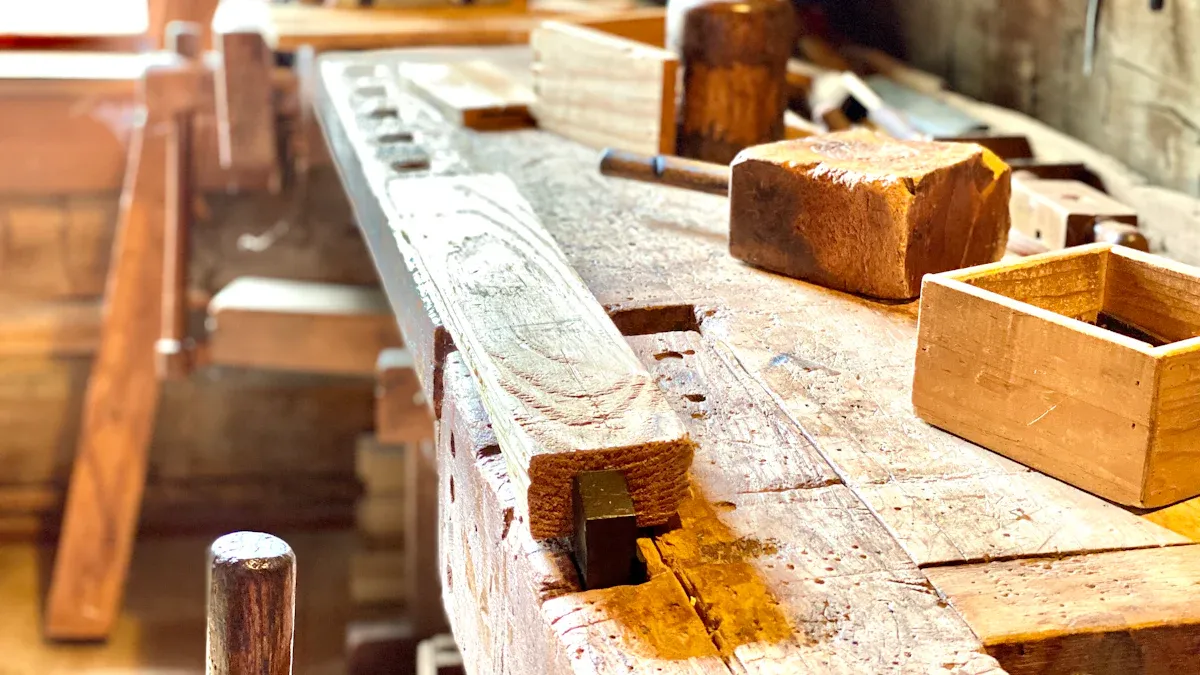
Before you start building your simple wooden shelf, gather the right tools. Here’s a list of essential tools you’ll need:
Wood planks of your choice
Miter saw or jigsaw
Cordless drill
Drill bits and screws
Measuring tape
Construction level
Safety goggles
Sandpaper (various grits)
Wall anchors
Screwdriver
These tools will help you create a sturdy and beautiful shelf. If you want to make the process easier, consider using a Kreg Jig for pocket holes or a nail gun for quick assembly.
Wood Selection
Choosing the right wood is crucial for your shelf’s durability and appearance. Here are some great options:
Hardwoods: Oak, Maple, and Walnut are excellent choices. They provide strong support for heavier items and enhance the shelf’s longevity.
Softwoods: Pine and Cedar are lighter and more affordable, making them suitable for decorative shelves.
Engineered Wood: Plywood and MDF are budget-friendly and resistant to warping.
When selecting wood, think about the weight capacity you need. Hardwoods can support heavier loads, while softer woods may sag over time.
Now that you have your tools and wood selected, you’re ready to start building your DIY simple wooden shelf!
Build a Shelf: Step-by-Step
Measuring and Planning
Before you start building your shelf, you need to measure your space carefully. This ensures that your shelf fits perfectly and serves its purpose well. Here are some key measurements to consider:
Measurement Type | Description |
|---|---|
Width | Measure the total width of the area for shelves, accounting for surrounding elements to avoid overcrowding. |
Height | Measure from the floor to the ceiling or from the top of furniture to determine shelf height. |
Depth | Decide how far the shelves will extend from the wall, considering the size of items to be stored. |
When planning, think about what you want to display. For example:
Books: Ensure shelf depth is at least 10-12 inches for varying book sizes.
Kitchenware: Choose thicker shelves with a depth of 12-16 inches for heavier items.
Decorative Items: Shallow shelves of 6-8 inches are sufficient for smaller items.
Avoid common mistakes during this phase:
Inadequate Weight Capacity Planning: Weigh actual items before selecting materials.
Ignoring Room Function and Flow: Consider how the room is used and maintain pathways.
Incorrect Measurements: Use a measuring tape and level for accuracy.
Cutting the Wood
Once you have your measurements, it’s time to cut the wood. Here’s how to do it safely and accurately:
Select the Right Cutting Techniques: For clean edges, use crosscutting or rip cutting. If you want visible joinery, consider dovetail or mortise and tenon cuts.
Prioritize Safety: Always wear safety goggles and follow guidelines when using sharp tools.
Plan Your Cuts: Begin with a clear vision of the final piece. This will influence the efficiency and success of your project.
Make sure to measure twice before you cut! This helps prevent mistakes and wasted materials.
Sanding and Finishing
After cutting, it’s time to smooth the edges. Sanding is crucial for a polished look. Here’s how to do it:
Use sandpaper grits of 100, 150, and 220 for the best finish.
An orbital sander is great for beginners, while a Corner Cat sander helps reach tight areas.
Start with coarse grit (40-60) for shaping, then move to medium (80-150) for general sanding, and finish with fine (180-220) for a smooth surface.
For the finishing touch, consider using a wood conditioner before staining. This ensures an even color. You can choose from various finishes like water-based options for a natural look or polyurethane for durability.
Install the Shelves
Now that your wood is cut and finished, it’s time to install the shelves. Follow these steps for a secure installation:
Select a Location: Mark where the brackets will be installed.
Find Wall Studs: Use a stud finder to locate vertical beams for maximum stability.
Pre-Drill Holes: Drill holes into the marked spots on the studs; use anchors where there are no studs.
Install Brackets: Attach the brackets with screws, ensuring at least one screw goes into a stud.
Install the Shelves: Secure the shelf material onto the bracket and check for level.
Remember to choose the right brackets based on weight and dimensions. Double-check your measurements and use a level before finalizing the installation. Regularly inspect and tighten brackets to maintain stability.
By following these steps, you’ll successfully build a shelf that not only looks great but also meets your storage needs!
You’ve learned how to build a simple wooden shelf! Remember these key steps:
Plan your space and measurements carefully.
Choose the right tools and materials for durability.
Follow the assembly and finishing steps closely.
Now, personalize your shelf! Consider these styling tips:
Install floating shelves in kitchens for easy access to dishware.
Use shelves in living rooms to showcase books and decor.
Arrange shelves in craft areas to keep supplies organized.
For more advanced projects, check out resources like Instructables or The Spruce Crafts. Happy building! 🎉
FAQ
What type of wood is best for a shelf?
Choose hardwoods like oak or maple for durability. Softwoods like pine work well for lighter items.
How much weight can my shelf hold?
Weight capacity depends on wood type and bracket strength. Generally, sturdy shelves can hold 50-100 pounds.
Can I paint or stain my shelf?
Absolutely! You can paint or stain your shelf to match your decor. Just ensure proper sanding and finishing first. 🎨

