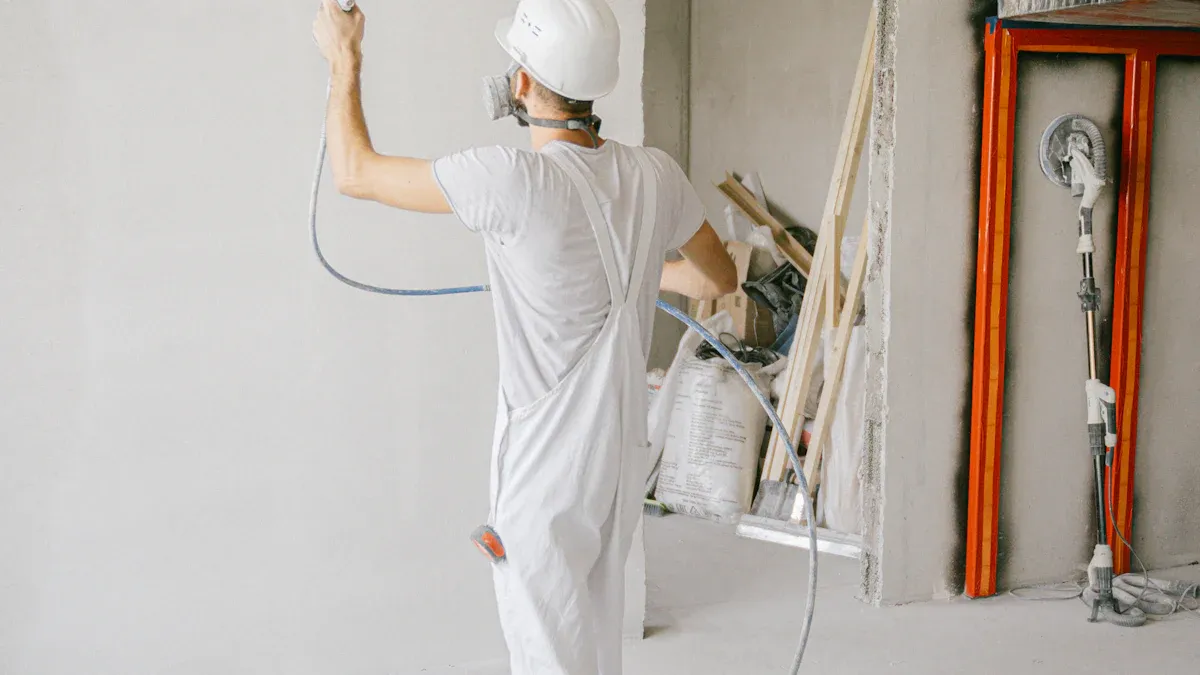

DIY home projects offer you a chance to express your creativity while saving money. In fact, 70% of homeowners report cost savings when they tackle these projects themselves. Not only do you enhance your space, but you also experience personal satisfaction. Check out the benefits of engaging in beginner DIY:
Benefit | Impact on Creativity and Satisfaction |
|---|---|
Stress Relief | Reduces cortisol levels, promoting calm and reducing anxiety. |
Improved Mental Health | Releases dopamine, enhancing mood and combating depression. |
Sense of Accomplishment | Boosts self-esteem and confidence, contributing to a greater sense of personal satisfaction. |
So, why not dive into some home improvement projects for beginners? You might discover a new passion along the way!
Key Takeaways
DIY home projects can save you money and enhance your creativity. Engaging in these projects boosts your mood and provides a sense of accomplishment.
Start with simple projects like painted pots or peel and stick wallpaper. These projects are quick, fun, and allow for personal expression.
Upgrading cabinet hardware or painting your front door can dramatically improve your home’s appearance. Small changes can make a big impact!
Painted Pots
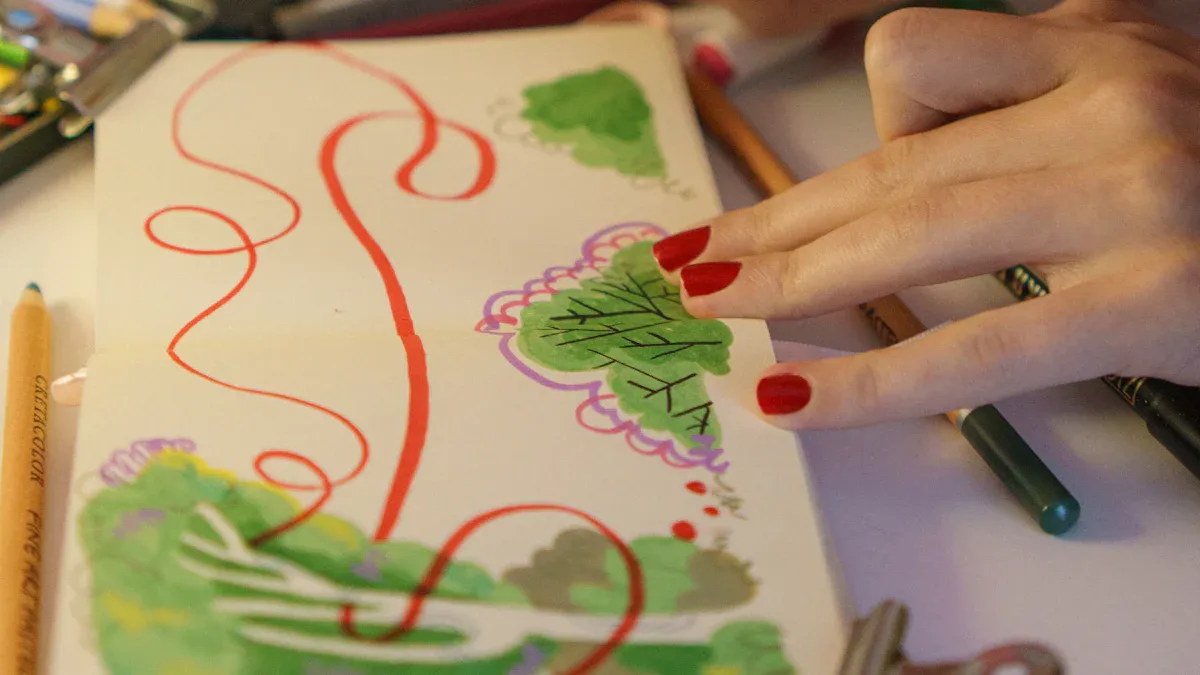
Transforming ordinary pots into colorful masterpieces is one of the easiest DIY projects you can tackle. Not only is it fun, but you can complete this project in just 5 minutes! Here’s how to get started.
Materials Needed
Terracotta pots (or any pots you have)
Acrylic paint (various colors)
Paintbrushes
Sealer (optional, for outdoor use)
Water (for cleaning brushes)
Instructions
Choose Your Design: Think about what colors and patterns you want. You can go for a solid color, stripes, or even polka dots!
Prep the Pots: Make sure your pots are clean and dry. This helps the paint stick better.
Start Painting: Use your paintbrush to apply the acrylic paint. Feel free to get creative! You can mix colors or use sponges for texture.
Let It Dry: Allow the paint to dry completely. If you want to add more layers or details, wait until the first coat is dry.
Seal It (Optional): If you plan to use your painted pots outdoors, consider applying a sealer to protect your artwork from the elements.
Painted pots are not only enjoyable but also allow for personalization. You can experiment with different techniques, making them accessible for beginners. Plus, they add a splash of color to your home or garden!
Tips
Use painter’s tape to create clean lines.
Try using stencils for intricate designs.
Dive into this easy DIY project and let your creativity shine!
Peel and Stick Wallpaper
Peel and stick wallpaper is a fantastic way to add character to any room without the hassle of traditional wallpaper. You can easily transform your space with minimal effort. Plus, it’s removable, making it perfect for renters or anyone who loves to change their decor often!
Materials Needed
Peel and stick wallpaper rolls
Measuring tape
Utility knife
Straightedge or ruler
Smoothing tool (like a credit card)
Level or plumb line
Instructions
Prep Your Walls: Start by cleaning your walls. Make sure they are smooth and free of dust. This helps the wallpaper stick better.
Measure and Cut: Measure the height of your wall and cut the wallpaper accordingly. Use a straightedge for clean cuts.
Mark a Plumb Line: Use a level to draw a vertical line on the wall. This ensures your wallpaper goes on straight.
Apply the Wallpaper: Peel off a small section of the backing and stick it to the wall, aligning it with your plumb line. Gradually peel off more backing as you smooth it down.
Smooth Out Bubbles: Use your smoothing tool to push out air bubbles as you go. This gives you a clean finish.
Trim Excess: Once you reach the bottom, use your utility knife to trim any excess wallpaper.
Tips for Application
Avoid common mistakes like not prepping the walls or removing all the backing at once. Here are some pitfalls to watch out for:
Not Prepping the Walls
Neglecting to Mark a Plumb Line
Not Checking the Seam Allowance
Removing All the Backing at Once
Not Smoothing Out Air Bubbles
Peel and stick wallpaper comes in various styles and prices. For example, you can find options like “Lemon Drop Yellow” for $39.99 or “Yara Charcoal” for $31.99. Check out the table below for more options!
Wallpaper Name | Roll Size (inches) | Old Price (USD) | Actual Price (USD) |
|---|---|---|---|
Lemon Drop Yellow | 20.5 x 18 ft | 49.99 | 39.99 |
Yara Charcoal | 20.5 x 18 ft | 39.99 | 31.99 |
Carved Floral Grey | 20.5 x 18 ft | 39.99 | 31.99 |
CLJ Nova Mist Blue | 20.5 x 18 ft | 59.99 | 47.99 |
Using peel and stick wallpaper is one of the simplest DIY projects you can try. It’s a fun way to express your style while making a significant impact on your space!
Floating Shelves
Floating shelves are a stylish and practical addition to any room. They create an open feel while providing extra storage without taking up floor space. You can use them to display books, plants, or decorative items, making them perfect for small areas. Plus, they’re one of the easiest DIY home projects you can tackle!
Materials Needed
Wooden boards (solid wood, plywood, or MDF)
Brackets (hidden or floating shelf brackets)
Screws
Level
Drill
Stud finder
Sandpaper
Paint or stain (optional)
Instructions
Choose Your Material: Decide on the type of wood you want. Solid wood offers durability, while plywood is cost-effective. MDF is smooth and easy to paint, but it’s sensitive to moisture.
Measure and Mark: Use a level to mark where you want your shelves. Make sure they’re even and spaced according to your needs.
Locate the Studs: Use a stud finder to locate wall studs. This ensures your shelves can support weight safely. A floating shelf can hold 45-50 pounds for each stud it’s attached to.
Install Brackets: Attach the brackets to the wall using screws. Ensure they’re level and secure.
Attach the Shelves: Place your wooden boards on the brackets. If you’re using hidden brackets, follow the manufacturer’s instructions for securing the shelves.
Finish Up: Sand the edges and apply paint or stain if desired. This adds a personal touch and enhances the overall look.
Floating shelves not only maximize storage but also enhance your decor. They can replace bulky cabinets, making your space feel less cramped. Consider staggering the shelves for visual interest or using mirrors to reflect light, making your room appear larger.
Tips for Installation
Always double-check your measurements before drilling.
Use a level to ensure your shelves are straight.
Consider the weight of items you plan to place on the shelves to choose the right materials.
With these easy steps, you can create beautiful floating shelves that elevate your home’s style!
Upgraded Cabinet Hardware
Upgrading your cabinet hardware is a quick and effective way to enhance the aesthetics of your kitchen or bathroom. New knobs and pulls can transform the look of your cabinets, making them feel fresh and modern. Plus, this simple change can significantly boost your home’s appeal, especially if you plan to sell. In fact, minor kitchen remodels, including hardware updates, can recoup up to 77% of their costs at resale!
Materials Needed
New cabinet knobs or pulls
Screwdriver
Measuring tape
Level (optional)
Instructions
Choose Your Style: Decide on the look you want. Popular styles for 2024 include:
Matte black for a sleek, modern vibe.
Gold accents for a touch of luxury.
Bronze and copper for a warm, vintage charm.
Industrial-style hardware for a bold, edgy appearance.
Unique designs that feature artisanal finishes.
Measure and Mark: Use a measuring tape to find the right placement for your new hardware. If you’re replacing old knobs, measure the distance between the holes to ensure a perfect fit.
Remove Old Hardware: Unscrew the existing knobs or pulls. Keep the screws if they are in good condition.
Install New Hardware: Align your new knobs or pulls with the marked spots. Use a level to ensure they sit straight. Screw them in securely.
Enjoy Your New Look: Step back and admire your work! You’ve just added a stylish touch to your space.
Upgrading cabinet hardware is a small change that makes a big impact. It’s an easy DIY home improvement project that anyone can tackle.
Tips
Consider durable finishes like brushed gold or satin nickel, which resist fingerprints and wear well in high-traffic areas.
Front Door Painting
Painting your front door can dramatically boost your home’s curb appeal. It’s the first thing visitors see, and a fresh coat of paint can create a welcoming atmosphere. Real estate experts agree that a well-painted door enhances the visual impact of your home, making it feel more inviting and valuable. Think of your front door as a handshake for your home-it sets the tone for what’s inside!
Materials Needed
Exterior paint (suitable for your door material)
Primer (if needed)
Paintbrush or roller
Painter’s tape
Drop cloths
Sandpaper (optional)
Instructions
Choose Your Color: Consider colors that complement your home’s exterior. Here are some trending options:
Color Trend
Description
Classic Black
A timeless choice that adds elegance and sophistication.
Warm Wood Tones
Stained doors add depth and character, perfect for a rustic look.
Crisp Matte White
Neutrals like white provide a clean, modern appearance.
Deeply Saturated Colors
Colors like ochre, red, and plum add a whimsical touch.
Shades of Blue/Green
Diverse hues create a unique and inviting entryway.
Prep the Door: Remove the door from its hinges if possible. Clean it thoroughly and sand any rough spots. This helps the paint adhere better.
Tape Off Areas: Use painter’s tape to protect the surrounding areas. This ensures clean lines and prevents paint from getting on your walls or trim.
Apply Primer: If your door is a lighter color or has a dark finish, apply a primer first. This step helps the final color pop.
Paint the Door: Use a brush or roller to apply your chosen paint. Start with the edges and then fill in the center. Allow the first coat to dry before applying a second coat for a smooth finish.
Reattach the Door: Once the paint is completely dry, rehang your door and enjoy your refreshed entryway!
Painting your front door is a simple yet impactful DIY home improvement project. It not only enhances your home’s appearance but also offers a great return on investment.
Tips
Choose a color that reflects your personality while complementing your home’s style.
Consider the weather when painting; a dry, mild day is ideal.
Furniture Refinishing
Reviving old furniture through refinishing is a fantastic way to save money and breathe new life into your home. Instead of buying new pieces, you can transform what you already have. This beginner-friendly project allows you to create unique items that reflect your style.
Materials Needed
To get started, gather these essential materials:
Orbital sander
Sanding discs in different grits
Fine-grit sandpaper for hand sanding
Dust mask
Wood stain
Small roller
Disposable gloves
Finish of your choice
Assorted rags
Instructions
Choose Your Piece: Look for solid wood furniture without veneer. This makes refinishing easier. Select items with minimal detail to simplify the sanding process.
Prepare the Area: Set up in a well-ventilated space. Wear your dust mask to protect against particles.
Sand the Surface: Use the orbital sander to remove the old finish. Start with coarse grit and gradually move to finer grits for a smooth surface.
Clean Up: Wipe down the furniture with a damp rag to remove dust. Let it dry completely.
Apply Stain: Use a small roller to apply your chosen wood stain. Follow the grain for the best results. Allow it to dry as per the instructions on the product.
Finish It Off: Once the stain is dry, apply your finish. This protects the wood and enhances its beauty.
Refinishing furniture can save you a significant amount of money. For example, refinishing a dining set costs between $800 and $1,500, while buying new can range from $3,000 to $6,000. Why not give your old pieces a second chance?
Tips
Take your time with sanding; it makes a big difference in the final look.
Experiment with different stains to find the perfect shade for your decor.
With these steps, you can turn old furniture into stunning focal points in your home!
Fresh Wall Paint
Fresh wall paint can completely transform a room. A new color can change the mood and feel of your space, making it more inviting or energizing. Whether you want a cozy retreat or a vibrant gathering place, paint plays a crucial role.
Materials Needed
Interior paint (choose your favorite finish)
Primer (if necessary)
Paintbrushes and rollers
Painter’s tape
Drop cloths
Ladder (for high areas)
Instructions
Choose Your Color: Think about the atmosphere you want to create. Light colors can make a room feel larger and brighter. Dark colors can add drama but may make a space feel smaller. Here are some popular palettes for 2024:
Palette Name
Description
2024 Color Collection
Focuses on creating relaxing spaces, emphasizing comfort in design.
Softened Refuge
Ideal for creating a sanctuary-like atmosphere in the home.
Delightfully Daring
Combines bold colors with soft neutrals and warm copper tones.
Simply Blissful
A joyful mix of light tones, nature-inspired colors, and jewel tones.
Prep the Room: Move furniture and cover the floors with drop cloths. Use painter’s tape to protect edges and trim.
Apply Primer: If you’re painting over a dark color or a glossy finish, apply primer first. This helps the new paint adhere better.
Start Painting: Use a brush for edges and a roller for larger areas. Apply at least two coats for even coverage.
Let It Dry: Allow the paint to dry completely before removing the tape and moving furniture back.
By choosing the right colors, you can enhance the brightness and perceived size of your room. Light colors reflect more light, making spaces feel open, while darker shades absorb light, creating a cozier atmosphere.
Tips
Consider using white or off-white shades like alabaster or eggshell to maximize brightness and minimize shadows.
With fresh wall paint, you can easily elevate your home’s style and create a space that truly reflects you!
Entryway Revamp
Revamping your entryway can make a huge difference in how welcoming your home feels. This space sets the tone for your entire house. A well-designed entryway creates a warm atmosphere for guests and reflects your personal style. Here are some beginner-friendly ideas to enhance your entryway:
Materials Needed
Area rugs
Paint or wallpaper
Plants or flowers
Family photos or artwork
Functional furniture (like benches or coat racks)
Lighting fixtures
Mirrors
Instructions
Define the Space: Start by adding a cozy area rug. It helps define the entryway and gives a warm landing spot for guests.
Choose a Color Palette: Soft and warm hues can create a welcoming environment. Consider painting the walls or adding wallpaper in these shades.
Add Greenery: Incorporate plants or flowers. They bring life and freshness to the space.
Personal Touches: Display family photos or artwork. These elements add warmth and character to your entryway.
Functional Furniture: Select pieces that serve both style and utility. A stylish bench or coat rack can keep things organized while looking great.
Lighting Matters: Use light fixtures to enhance the ambiance. A well-lit entryway feels more inviting.
Use Mirrors: Hang mirrors to bounce light around and create a sense of space. They can make your entryway feel larger and brighter.
By following these steps, you can create an entryway that not only looks good but also functions well. A stylish and organized entryway leaves a lasting impression on your guests!
New Faucet Installation
Installing a new faucet is a straightforward DIY home improvement project that can refresh your kitchen or bathroom. You can complete this task in about an hour, making it a great weekend project. Plus, it can save you money compared to hiring a plumber!
Materials Needed
New faucet
Adjustable wrench
Plumber’s tape
Basin wrench (optional)
Bucket (to catch any water)
Towels (for cleanup)
Instructions
Turn Off the Water Supply: Locate the shut-off valves under your sink and turn them off. If you can’t find them, turn off the main water supply.
Remove the Old Faucet: Use your adjustable wrench to disconnect the water supply lines. Then, unscrew the mounting nuts holding the old faucet in place.
Clean the Area: Wipe down the sink area to remove any debris or old sealant. This helps the new faucet sit properly.
Install the New Faucet: Follow the manufacturer’s instructions to position the new faucet. Secure it with the mounting nuts.
Reconnect Water Supply Lines: Attach the water supply lines to the new faucet. Use plumber’s tape on the threads to prevent leaks.
Turn On the Water Supply: Slowly turn the water supply back on and check for leaks. If you see any, tighten the connections.
Tips for Installation
Watch for Leaks: Leaks often happen due to improper sealing of gaskets. Make sure everything is tight and secure.
Know When to Call for Help: If you encounter corroded pipes or mismatched connections, don’t hesitate to call a professional.
Choose the Right Faucet: Some advanced models can be confusing for beginners. Stick to simpler designs for your first installation.
Installing a new faucet can cost between $100 and $250, depending on the model you choose. If you hire someone, expect to pay up to $120 per hour in large cities. However, with a little patience, you can do it yourself!
Cabinet Knob Replacement
Replacing cabinet knobs is a quick way to modernize your kitchen. This simple home project can dramatically change the look of your cabinets. You’ll find that new hardware can make your kitchen feel fresh and inviting.
Materials Needed
New cabinet knobs or pulls
Screwdriver
Measuring tape
Level (optional)
Instructions
Choose Your Knobs: Look for styles that match your kitchen’s theme. Popular options for 2024 include:
Trend
Description
Polished and Aged Brass Finishes
Brass is making a comeback, favored for its warm finish, contrasting with the previously popular cool tones.
Satin Matte Finishes
This finish is gaining traction for its clean lines and modern aesthetic, ideal for contemporary designs.
Mixing and Matching Styles
Combining different hardware styles adds visual interest, allowing for unique combinations in kitchen design.
Measure and Mark: Use your measuring tape to find the right placement for your new knobs. If you’re replacing old knobs, measure the distance between the holes to ensure a perfect fit.
Remove Old Knobs: Unscrew the existing knobs and keep the screws if they’re in good condition.
Install New Knobs: Align your new knobs with the marked spots. Use a level to ensure they sit straight. Screw them in securely.
Enjoy Your New Look: Step back and admire your work! You’ve just added a stylish touch to your space.
Replacing cabinet knobs not only enhances the kitchen’s aesthetic but also helps to mask imperfections on cabinet doors. Larger handles are trendy and practical. So, why not give your kitchen a quick facelift with this easy project?
Choosing a DIY home project can be exciting! These small projects let you personalize your space in cost-effective ways. They enhance your home’s aesthetic appeal and improve functionality. Plus, they reflect your unique style. So, pick a project that inspires you, and don’t forget to share your journey. Every little effort makes your home truly yours!
FAQ
What tools do I need for DIY projects?
You typically need basic tools like a screwdriver, hammer, measuring tape, and paintbrushes. Specific projects may require additional tools.
How long do these projects take?
Most beginner projects can be completed in a few hours to a weekend. It depends on the complexity and your pace.
Can I customize these projects?
Absolutely! Feel free to add your personal touch. Use colors, patterns, or materials that reflect your style and preferences.