In case you need expansion shield anchors that hold fast in concrete, brick, or stone, you can’t afford to guess. The best options for 2026 balance grip strength, corrosion resistance, pack value, and ease of installation. You’ll also want the right size and expansion style for the material you’re fastening into. A few anchors stand out for good reason, and the differences matter more than they initially appear.
| 25-Piece Zinc-Plated Double Expansion Shield Anchors |

| Best Overall | Thread Size: 1/4 in | Length: 1-1/4 in | Material: Zinc alloy | VIEW LATEST PRICE | Read Our Analysis |
| QWORK 3/8-16 Double Expansion Shield Anchors (25-Pack) |

| Heavy-Duty Pick | Thread Size: 3/8-16 | Length: Not specified | Material: Zinc alloy | VIEW LATEST PRICE | Read Our Analysis |
| Sieqioor Double Expansion Shield Anchors (24-Pack) |
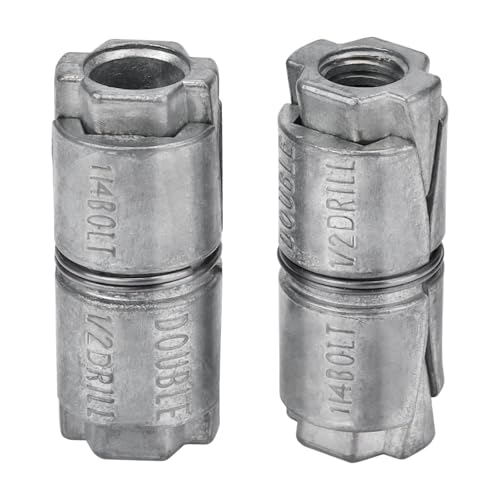
| Budget-Friendly Pick | Thread Size: 1/4 in | Length: 1-1/4 in | Material: Zinc alloy | VIEW LATEST PRICE | Read Our Analysis |
| LEIFIDE Double Expansion Shield Anchors 50-Piece Zinc-Plated |
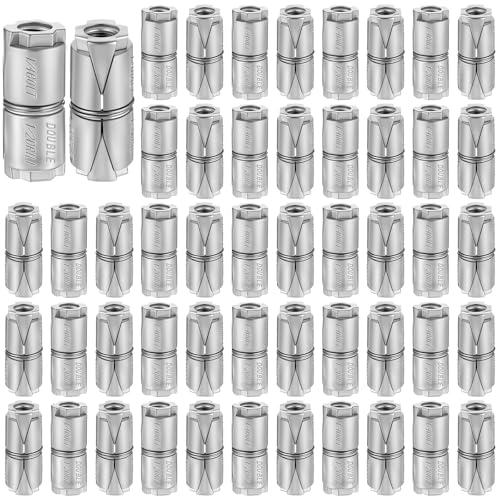
| Best Bulk Pack | Thread Size: 1/4 in | Length: 1-1/4 in | Material: Zinc alloy | VIEW LATEST PRICE | Read Our Analysis |
| Qwork 1/4-20 Double Expansion Shield Anchors (50-Pcs) |

| Best Value | Thread Size: 1/4 in | Length: 1-5/16 in | Material: Zinc alloy | VIEW LATEST PRICE | Read Our Analysis |
More Details on Our Top Picks
25-Piece Zinc-Plated Double Expansion Shield Anchors
Should you need a dependable anchor for softer masonry, the 25-piece zinc-plated double expansion shield anchor set stands out. You get 25 anchors with a 1/4-inch internal thread, 1-1/4-inch length, and 1/2-inch external diameter. Install them in a 1/2-inch drilled hole using an electric hammer.
Each anchor uses a zinc alloy, two-piece tubular shield with a hollow wedge cone and wedge nut. At the moment you tighten the screw, both ends expand, giving you a firm grip in soft masonry. You can also use them in stone, brick, concrete, and block. They install easily, resist corrosion, and deliver reliable holding power across many construction jobs.
- Thread Size:1/4 in
- Length:1-1/4 in
- Material:Zinc alloy
- Finish:Zinc plated
- Pack Size:25 pcs
- Application:Masonry, brick, concrete, block, stone
- Additional Feature:Expands at both ends
- Additional Feature:Two-piece tubular shield
- Additional Feature:1/2-inch drill hole
QWORK 3/8-16 Double Expansion Shield Anchors (25-Pack)
Should you need a dependable anchor for demanding base materials, the QWORK 3/8-16 Double Expansion Shield Anchors are a strong fit. You get 25 zinc alloy anchors with a zinc-plated finish that helps resist corrosion and wear in tough environments. Their 3/8-inch diameter and 3/8-16 thread size make them a practical choice whenever you need reliable holding power.
You can install and remove these anchors easily, which helps during maintenance-heavy jobs. They accept coarse-thread bolts that run the full length of the anchor, giving you flexible fastening options. QWORK’s WD10372 model also comes in different lengths through diameter selection, so you can match your project requirements.
- Thread Size:3/8-16
- Length:Not specified
- Material:Zinc alloy
- Finish:Zinc plated
- Pack Size:25 pcs
- Application:Base materials requiring strength
- Additional Feature:Easy use/removal
- Additional Feature:Hexagonal shape
- Additional Feature:Coarse-thread bolt compatible
Sieqioor Double Expansion Shield Anchors (24-Pack)
Sieqioor Double Expansion Shield Anchors are a smart pick for DIYers and contractors who need a dependable hold in brick, concrete, block, or stone. You get 24 zinc-alloy anchors with a 1/4-inch internal thread, 1-1/4-inch length, and 1/2-inch external diameter.
Their two-piece tubular shield uses a hollow wedge cone and wedge nut, so tightening your screw expands both ends for a stronger grip. You can pair them with masonry screws or mechanical bolts, and the zinc-plated finish helps resist corrosion over time. Installation stays straightforward with a 1/2-inch electric hammer drill, while the double-expansion design gives you confident anchoring in soft and hard masonry surfaces.
- Thread Size:1/4 in
- Length:1-1/4 in
- Material:Zinc alloy
- Finish:Zinc plated
- Pack Size:24 pcs
- Application:Concrete, brick, block, stone, masonry
- Additional Feature:Hollow wedge cone
- Additional Feature:Reliable double-expansion grip
- Additional Feature:Electric hammer installation
LEIFIDE Double Expansion Shield Anchors 50-Piece Zinc-Plated
LEIFIDE Double Expansion Shield Anchors are a smart pick should you require a bulk set for frequent masonry jobs, repairs, or general concrete fastening. You get 50 zinc-plated zinc alloy anchors, each with a 1/4-inch thread, 1-1/4-inch length, and 1/2-inch outer diameter.
When you tighten the screw, the hollow wedge cone forces the two-piece shield to expand at all ends, filling wall gaps and enhancing pull-out strength. That design helps you get a secure hold in cinder block, brick, concrete, stone, masonry, and even asphalt. In case you work across soft and hard substrates, these anchors adapt well and give you a dependable, corrosion-resistant fastening option.
- Thread Size:1/4 in
- Length:1-1/4 in
- Material:Zinc alloy
- Finish:Zinc plated
- Pack Size:50 pcs
- Application:Cinder block, masonry, concrete, brick, asphalt, stone
- Additional Feature:Gap-filling expansion sleeves
- Additional Feature:Improved pull-out strength
- Additional Feature:Hex head style
Qwork 1/4-20 Double Expansion Shield Anchors (50-Pcs)
For heavy-duty masonry jobs, the Qwork 1/4-20 Double Expansion Shield Anchors stand out as a smart pick should you need a stronger hold across the full anchor length. You get a double expansion design with an inside screw layout that accepts coarse-thread bolts running the entire anchor body, giving you dependable gripping power in demanding base materials.
These anchors use zinc alloy construction, so you get solid durability plus corrosion resistance. Each anchor measures 1/4 inch in diameter and 1-5/16 inch long, and the pack includes 50 pieces. You’ll also appreciate how easy they are to install and remove, with size options available.
- Thread Size:1/4 in
- Length:1-5/16 in
- Material:Zinc alloy
- Finish:Corrosion-resistant finish
- Pack Size:50 pcs
- Application:Base materials requiring strong anchoring
- Additional Feature:Inside screw design
- Additional Feature:Easy use/removal
- Additional Feature:Strong-base material anchoring
Factors to Consider When Choosing Expansion Shield Anchors for 2026
Once you choose expansion shield anchors for 2026, start with the right anchor size for your load and installation needs. You should also match the anchor to your base material, confirm the thread and bolt fit, and check how the expansion mechanism is designed to grip. Finally, make sure the corrosion resistance level suits the environment so your anchor lasts.
Anchor Size Selection
Although anchor size could seem straightforward, you should match the anchor’s diameter and length to the substrate’s thickness and material so the load distributes properly and the shield expands as intended. In case the anchor is too short, it won’t fully engage the drilled depth. In the event it’s too long, installation can become inconsistent or ineffective.
You should also match the drill hole precisely to the anchor’s external diameter. A hole that’s too loose weakens grip, while one that’s too tight can prevent proper insertion and expansion. Check the anchor’s internal thread size as well, since it must fit your bolt or screw for a secure connection. Whenever you need higher pull-out strength, choose a larger diameter anchor. That extra diameter helps support heavier loads and improves holding power under stress.
Base Material Compatibility
Because different substrates respond to expansion in different ways, you should choose an expansion shield anchor that matches the base material’s density, porosity, and strength. Expansion shield anchors can grip soft masonry, brick, block, asphalt, stone, and concrete, but each material reacts differently once the sleeve expands. In case you’re working in softer, more porous materials, use an anchor that expands gently so you don’t crack or crush the substrate. In harder bases like concrete and stone, double expansion anchors with aggressive wedge action create a tighter, more reliable hold through expanding at both ends.
You should also consider moisture exposure. In porous or damp materials, corrosion-resistant options such as zinc alloy help preserve holding power over time. Finally, match the drill hole size and anchor diameter to the material so the anchor seats cleanly without weakening the base.
Thread And Bolt Fit
How well the bolt matches the anchor’s internal thread directly affects how securely the system holds. You need the thread size to match exactly, since a mismatch weakens the connection and can compromise anchoring strength. Expansion shield anchors typically use internal threads in standard fractional sizes, like 1/4 inch or 3/8 inch, so you should confirm your bolt or screw matches that specification before buying.
You’ll also want compatibility with coarse-thread bolts that run the full length, because they’re easier to install and remove whenever needed. At the moment you choose the correct internal thread size, you can tighten the bolt properly and create a dependable connection. In case the threads don’t fit right, you risk poor tightening, reduced holding power, and a higher chance that the anchor system will fail under load.
Expansion Mechanism Design
At the moment you compare expansion shield anchors, pay close attention to the expansion mechanism design, since it determines how firmly the anchor grips the base material. You’ll get the best hold from a double expansion system, because tightening the screw expands both ends at once and increases contact with the substrate.
Look for a two-piece tubular shield with a hollow wedge cone and expanding wedge nut. Under torque, these parts drive outward and fill gaps between the anchor and hole wall, which enhances pull-out resistance in concrete and masonry. A well-designed mechanism also adapts its expansion force to different substrate hardness levels, so you get dependable grip in softer block as well as harder masonry. Just as crucially, smart expansion design makes installation easier while still providing strong, lasting performance under load.
Corrosion Resistance Level
At the moment you evaluate corrosion resistance, focus on the anchor’s finish and base material, since both directly affect service life and holding strength. Zinc-plated expansion shield anchors give you added protection against rust and gradual metal degradation, which matters whenever you want dependable performance over time.
You should prioritize corrosion resistance for installations in outdoor, humid, or chemically aggressive settings, where moisture and contaminants can quickly damage unprotected metal. Anchors made from zinc alloy and paired with corrosion-resistant finishes usually last longer in concrete and masonry applications. This added protection helps you reduce maintenance, avoid initial replacement, and limit failures caused by rust or weakening. Corrosion-resistant models also work well across soft and hard masonry, so you can count on consistent durability in a wider range of environmental conditions and demanding projects.
Load Holding Strength
Corrosion resistance helps an anchor last, but load holding strength determines how much force it can safely carry in service. Whenever you compare expansion shield anchors, focus primarily on the expansion mechanism. A strong design grips both ends of the drilled hole, which increases pull-out resistance and gives you more dependable holding power under tension.
You should also match anchor diameter and length to your substrate and expected load. Larger diameters and longer shields usually hold more. Material matters too: zinc alloy with corrosion-resistant plating helps preserve strength over time instead of losing capacity through degradation. Finally, consider the base material itself. Hard, dense masonry lets the shield expand more effectively, while softer masonry can limit reliable capacity. In case you want consistent performance, choose an anchor sized and built for your specific load and substrate.
Installation Hole Requirements
Because installation starts with the hole itself, you should match the drilled diameter exactly to the anchor manufacturer’s requirement so the shield can expand and lock properly in the masonry. For many double expansion shields, that means a 1/2-inch hole, but you should always verify the spec sheet before drilling.
You’ll also want the right tool, usually an electric hammer drill, to create accurate diameter and consistent depth. Drill deep enough to fit the full anchor length so the shield can expand freely without bottoming out. After drilling, clean the hole thoroughly; dust and debris can prevent the sleeves from gripping securely. Finally, consider the base material. Concrete, brick, and softer masonry don’t drill the same way, so you might need to adjust technique or depth accordingly for reliable performance.
Pack Size Value
Once you’ve matched the hole size and installation method to the anchor, it makes sense to look at pack size value next. In case you’re tackling a larger job, bigger packs usually give you better cost efficiency per anchor. They also keep your workflow moving, since 25- or 50-piece packs reduce interruptions and limit reordering.
You should match the pack size to your project scope. Buying too few anchors can slow progress, while buying too many creates waste and leaves you with unused inventory. For DIY tasks or small repairs, smaller packs make more sense because you only pay for what you’ll actually use. You’ll also want to take into account storage space and shelf life. Choosing a pack size you can store properly helps preserve anchor quality and keeps the fasteners easy to access when needed.
Frequently Asked Questions
Can Expansion Shield Anchors Be Removed Without Damaging the Surrounding Masonry?
Yes, you can sometimes remove expansion shield anchors without damaging surrounding masonry, but you’ll need careful technique. You should back out the fastener, collapse the shield provided that possible, then patch the hole to prevent minor surface damage.
Are Expansion Shield Anchors Suitable for Use in Seismic Zones?
Yes, you can use expansion shield anchors in seismic zones, but you must choose seismic-rated models, verify code compliance, and match them to cracked concrete or masonry. You’ll get safer performance as long as you follow manufacturer load data.
Do Expansion Shield Anchors Require Torque Testing After Installation?
Yes, you often need torque testing after installation, especially if codes, engineers, or manufacturers require verification. You should confirm torque values, substrate condition, and anchor performance, because improper tightening can reduce holding strength considerably.
Can Expansion Shield Anchors Be Painted to Match Visible Surfaces?
Yes-you can paint visible expansion shield anchors; they’re chameleons for your finish. Clean them initially, use a metal-compatible primer, then apply paint. Don’t coat embedded, threaded, or bearing surfaces, or you’ll compromise fit and performance.
What Certifications Should Expansion Shield Anchors Meet for Commercial Construction?
You should require ICC-ES or IAPMO evaluation reports, ASTM compliance, and OSHA/ANSI alignment where applicable. For seismic or structural work, check ESR approvals, AC193/AC106 criteria, fire ratings, and local building code acceptance.
Final Thoughts
At the moment you choose the right expansion shield anchor, you’re building on confidence, not guesswork. Each of these 2026 picks gives you strong holding power, solid corrosion resistance, and dependable performance in masonry. Whether you’re tackling a professional install or a weekend project, you can count on these anchors to hold fast like a handshake in stone. Focus on fit, pack size, and substrate compatibility, and you’ll secure results that last well beyond the final turn of your wrench.